Africa's inland water transport sector cannot achieve safer waterways through infrastructure alone. It also requires a workforce equipped with the technical competence, operational discipline and safety culture needed to respond effectively when emergencies occur.
That objective continues to take shape as the Lagos State Waterways Authority (LASWA), in partnership with Interferry, concluded Module Three of Africa's first Ferry Safety Development and Mentoring Programme, marking another milestone in a long-term effort to strengthen professional standards within the ferry industry.
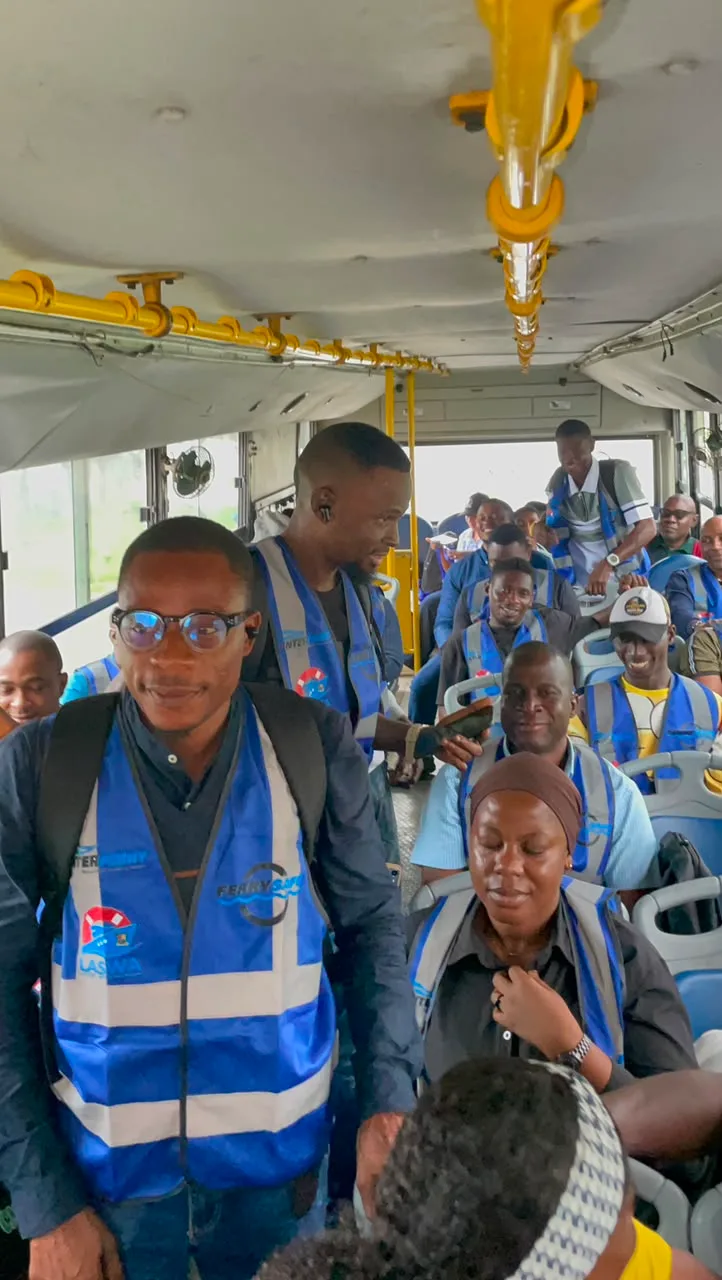
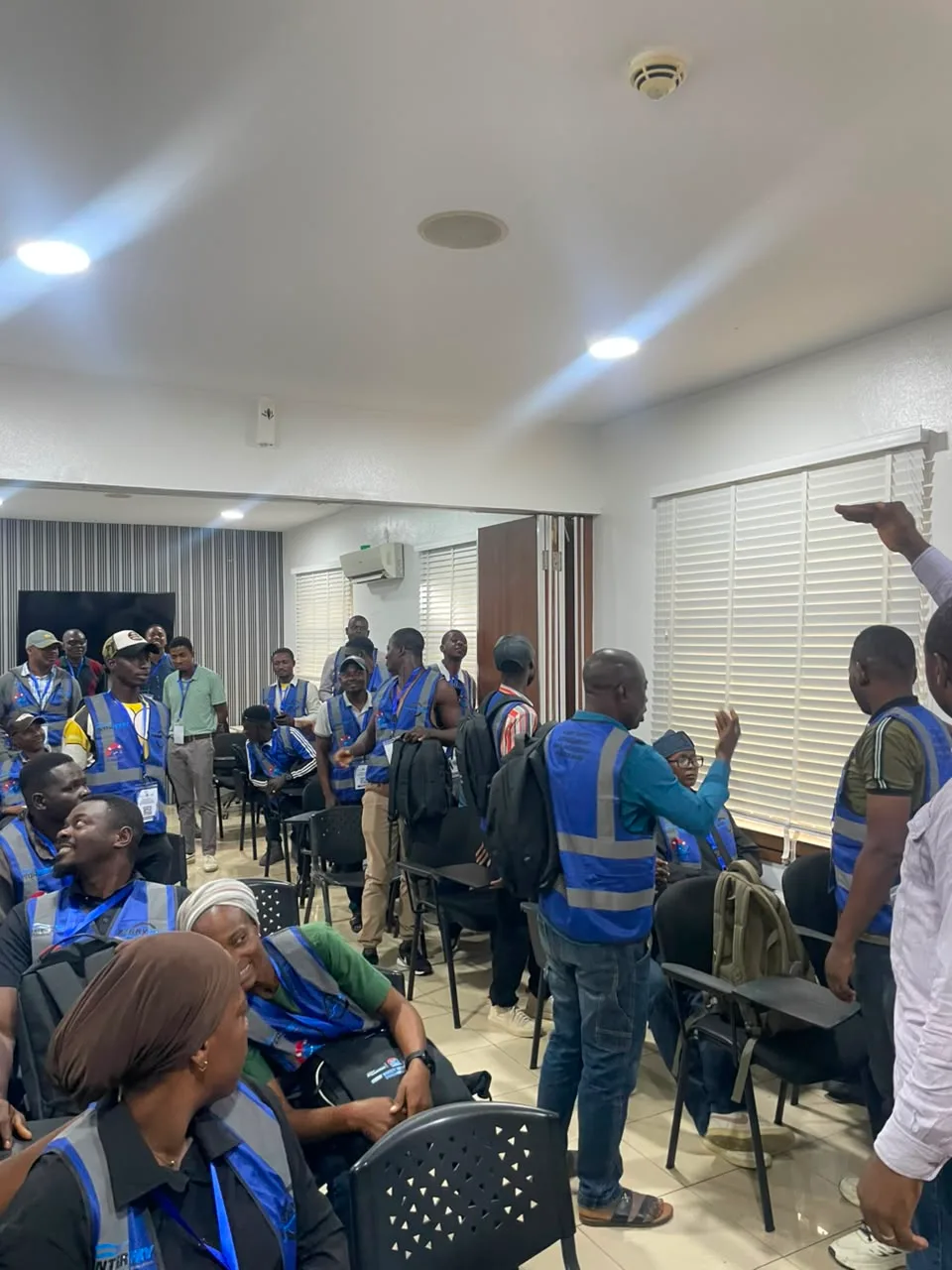
The module focused on ferry safety, emergency preparedness and incident response, equipping 50 emerging ferry professionals with practical knowledge designed to improve operational safety across inland waterways.
The programme combined self-paced virtual learning throughout July 2026 with hands-on emergency response training, reflecting a blended approach that integrates technical knowledge with practical application.
Building Competence Through Practical Training
Academic sessions were facilitated by Dr. Bolaji Dunsin and Dr. Ayaobu-Cookey of the Nigerian Institute of Oceanography and Marine Research (NIOMR), while participants also engaged in an interactive "Ask the Expert" session with Darren Johnston, Vice President, Marine Operations at BC Ferries, who shared international perspectives on ferry operations and safety management.
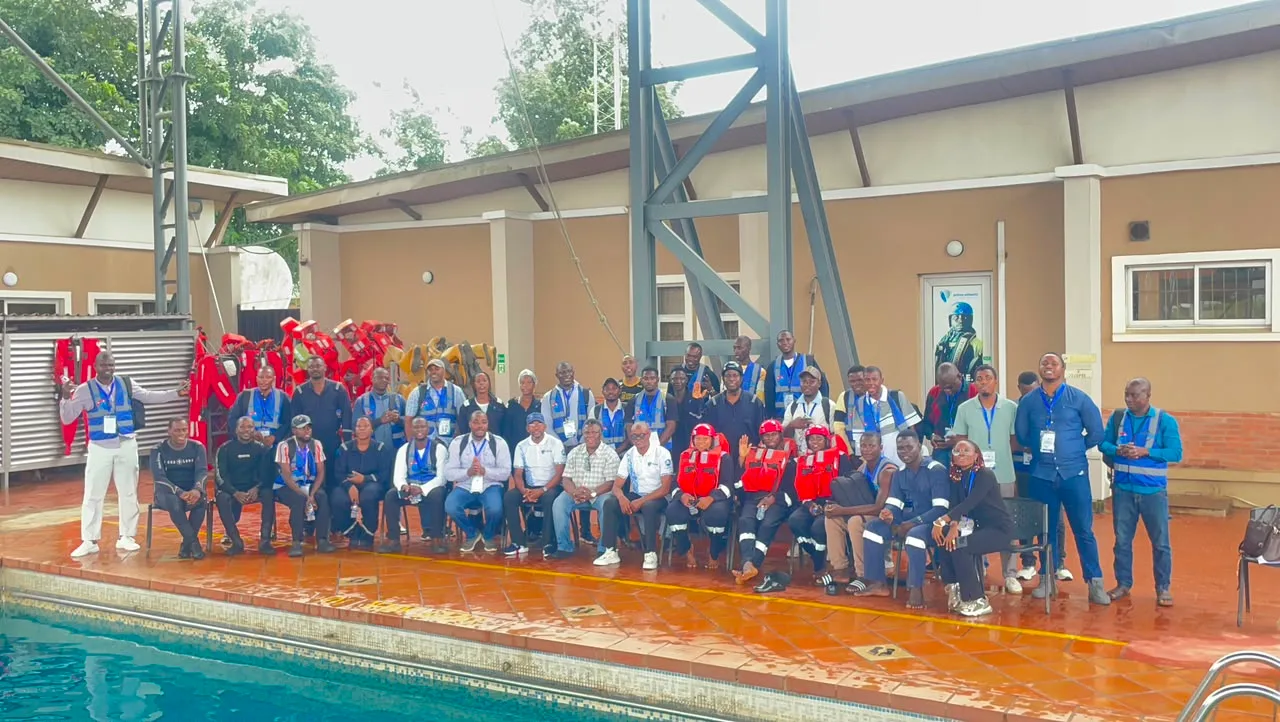
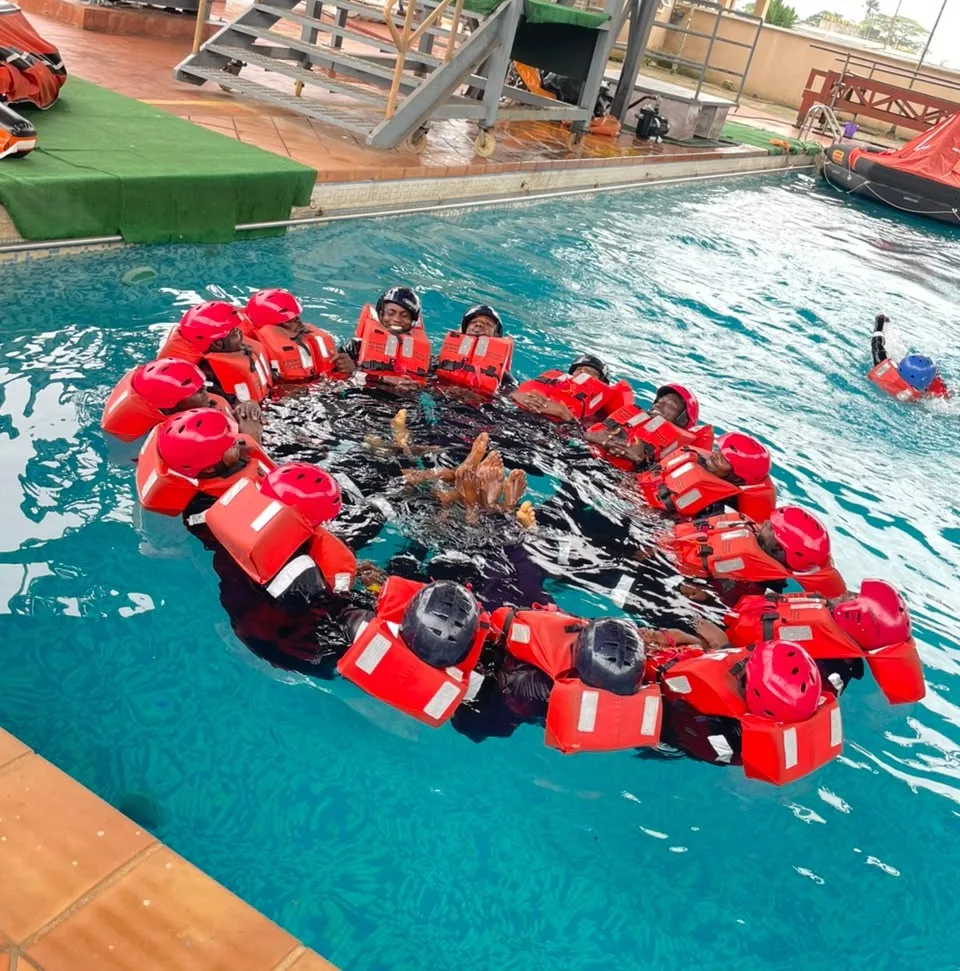
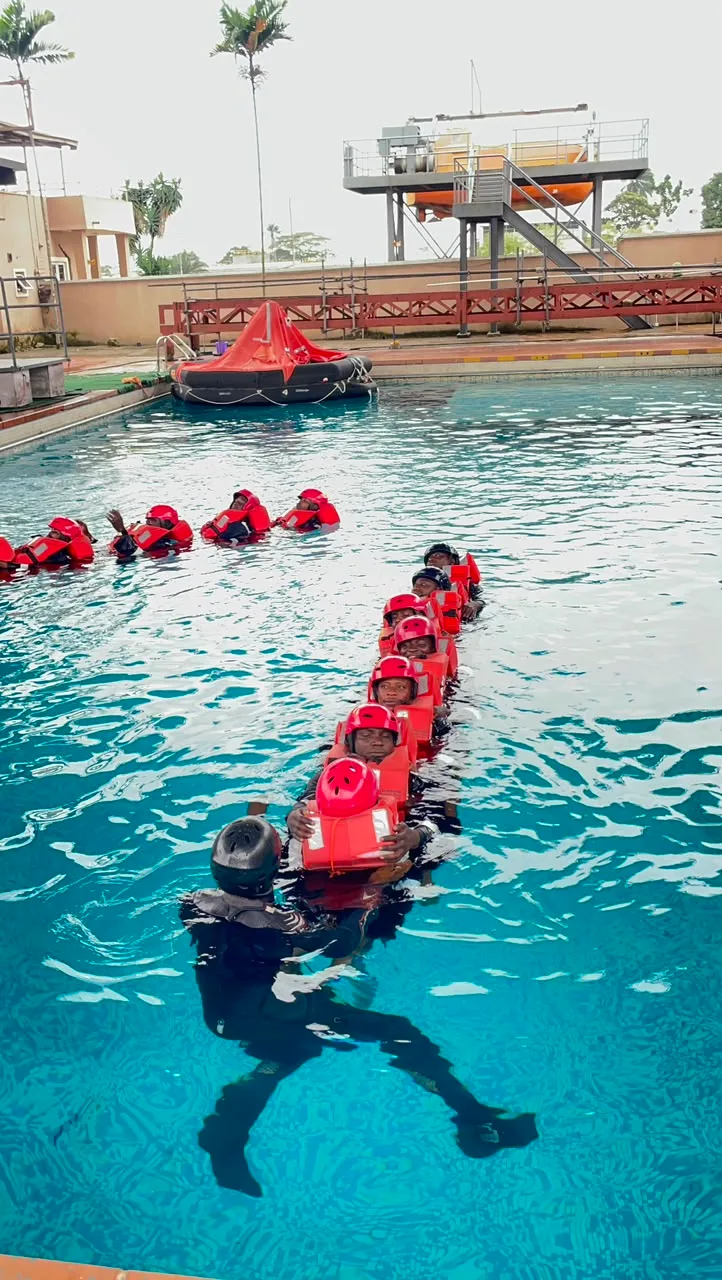
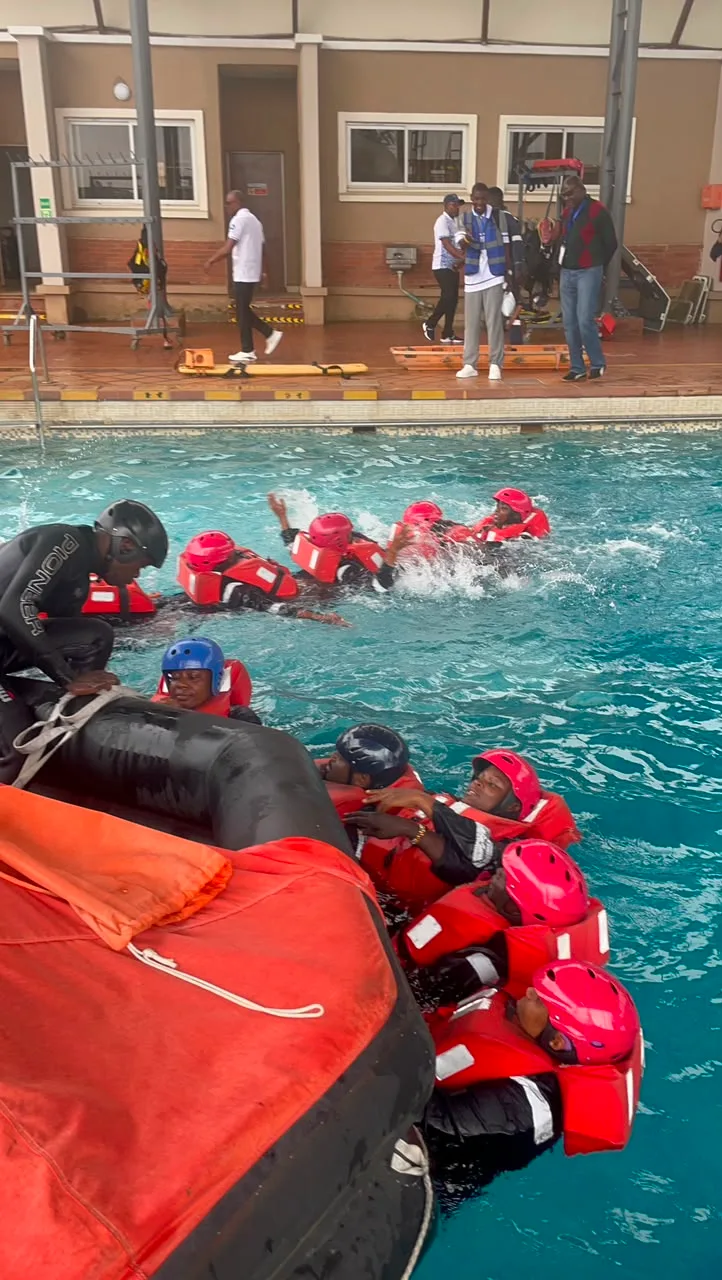
The practical phase, held on 29 July at the Prime Atlantic Safety Services (PASS) training facility in Ogun State, exposed participants to realistic emergency scenarios commonly encountered in ferry operations.
Training covered abandon ship procedures, including emergency alarm recognition, passenger mustering, headcount, use of personal protective equipment, preparation of survival craft and evacuation procedures. Participants also undertook man overboard response exercises involving emergency communication, vessel manoeuvring, rescue deployment and basic first aid.
The emphasis on practical drills reflects the reality that effective emergency response depends on repeated training long before an incident occurs.
International Collaboration Strengthens Local Capacity
The programme also highlights the growing role of international collaboration in developing Africa's maritime workforce.
Through Interferry's support, participants benefited from exposure to internationally recognised operational practices while building competencies that can be applied within Nigeria's inland waterways and adapted across other African ferry systems.
The collaboration demonstrates how partnerships between global industry organisations and local institutions can accelerate capacity development while supporting the adoption of internationally recognised safety standards.
Investing in People Alongside Infrastructure
As Lagos continues expanding water transportation as part of its urban mobility strategy, investments in vessels, terminals and infrastructure must be matched by investments in the people responsible for operating them.
A modern ferry system depends not only on physical assets but also on competent personnel capable of making sound operational decisions under pressure.
By prioritising structured professional development, LASWA is contributing to the gradual institutionalisation of safety culture within Nigeria's inland waterways sector.
With Module Three completed, the programme now advances to Module Four, Introduction to Engine Systems, scheduled for August 2026, broadening participants' technical understanding of vessel operations beyond emergency preparedness.
PrimeAxis Insight
The significance of this programme extends beyond training 50 ferry professionals.
It signals a shift towards professionalising Africa's inland water transport workforce through structured learning, international collaboration and competency-based development.
As governments across the continent invest in ferries to improve urban mobility, reduce road congestion and unlock blue economy opportunities, the quality of human capital will increasingly determine the safety, reliability and sustainability of those transport systems.
Ultimately, public confidence in water transport depends not only on modern infrastructure, but on the assurance that ferry operators are trained to the highest safety standards.
Infrastructure may expand waterways, but skilled professionals ensure they operate safely.
By pioneering Africa's first Ferry Safety Development and Mentoring Programme, LASWA and its partners are helping establish a model for workforce development that other inland waterway authorities across Africa may eventually adapt and replicate.