Infrastructure vs. Performance — the gap shaping Africa’s trade future
Africa is in the middle of a port construction boom.
From Lagos to Tangier, Mombasa to Durban, the continent is pouring billions into new terminals, deeper drafts, larger cranes, and modern container facilities.
But there is a harder question beneath the expansion:
Are African ports actually becoming more competitive—or just more built out?
Because in global trade, competitiveness is not measured by infrastructure alone. It is measured by speed, cost, reliability, and predictability.
And this is where Africa’s ports reveal a deeper divide:
Infrastructure is rising faster than performance.
1. The Infrastructure Boom: Africa is Building for Scale.
Across the continent, port development is accelerating to match global shipping realities—especially the rise of mega-ships and the African Continental Free Trade Area (AfCFTA).
West Africa: New Deep-Sea Ambitions
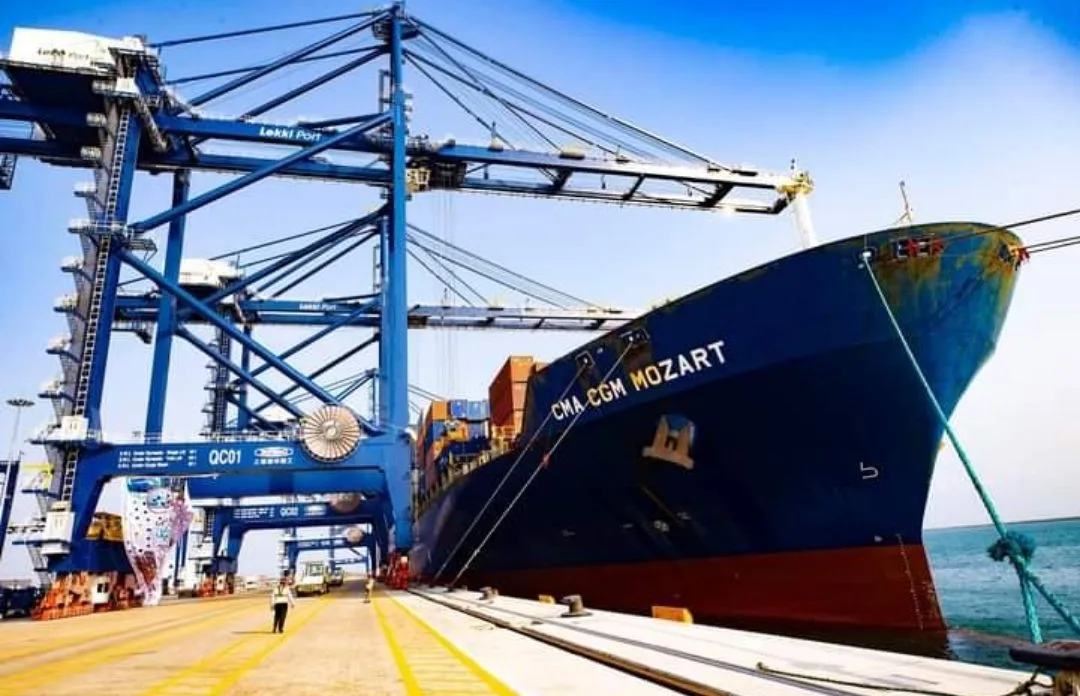
Nigeria’s Lekki Deep Sea Port represents one of the most modern port investments in West Africa, designed for post-Panamax and ultra-large container vessels.
Ghana’s Tema Port has undergone major expansion under Meridian Port Services, significantly increasing container handling capacity.
East Africa: Corridor-Driven Modernization
Mombasa Port continues to expand throughput and improve berth efficiency as Kenya strengthens its Northern Corridor trade route.
Dar es Salaam Port is undergoing large-scale modernization backed by international financing to increase cargo handling speed and deepen capacity.
Southern Africa: Mega Overhauls
Durban Port remains one of Africa’s busiest ports and is undergoing multi-billion-rand upgrades to reduce congestion and expand terminal efficiency.
North Africa: The Global Outlier
Tanger Med Port has become Africa’s standout performer, handling over 10+ million TEUs annually and ranking among the most efficient ports globally across multiple international benchmarks.
2. The Real Problem: Infrastructure Is Not the Bottleneck
Despite this expansion wave, Africa’s trade performance still lags behind global peers.
Why?
Because ports are not just physical assets. They are systems of movement.
And Africa’s weakest link is not the dock—it is the system behind it.
3. The Performance Gap: Where Competitiveness Breaks Down
Global benchmarking systems like the Container Port Performance Index (CPPI) developed by the World Bank and S&P Global consistently highlight a pattern:
North African ports (especially Tanger Med and Port Said) perform relatively well globally
Sub-Saharan African ports remain clustered in lower efficiency tiers
Only a few ports show sustained improvement trends
Key performance issues include:
A. Cargo Dwell Time
In many African ports, containers can remain well over 7–15 days before clearance or evacuation.
In contrast:
Top global ports: often 1–3 days average dwell time
Africa: frequently multiple times higher due to congestion and clearance delays
B. Vessel Turnaround Time
Long waiting times at anchorage and slow berth productivity reduce port attractiveness for global shipping lines.
Shipping is time-sensitive. Every extra hour increases cost.
C. Import-Dominant Cargo Structures
Many African ports are heavily import-driven.
This creates:
Yard congestion
Empty container imbalance
Storage bottlenecks
Inefficient repositioning cycles
4. The Cost of Inefficiency: Africa Pays More to Trade
One of the most critical competitiveness indicators is logistics cost.
Across multiple trade studies, moving a container in Africa can cost:
1.5 to 3.5 times more than in highly efficient global trade corridors
This is not just a port issue. It is a value-chain issue.
But ports remain the pressure point where inefficiencies accumulate.
5. The Exceptions: Where Africa Is Getting It Right
Despite systemic challenges, progress is real.
Some ports are transitioning from “unreformed” to “partially reformed” status in global efficiency classifications.
Mombasa Port has improved dwell times significantly through digitization and corridor management.
Dar es Salaam Port has recorded notable clearance time reductions following reforms
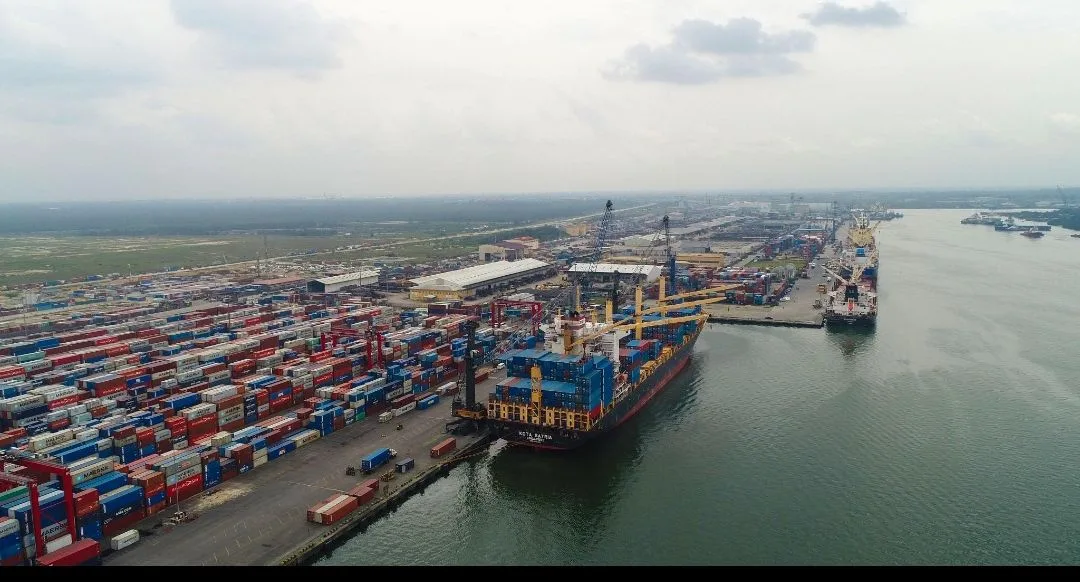
Apapa & Tin Can Island (Nigeria) have been highlighted among improving global performers due to cargo clearance reforms and terminal upgrades
Durban Port has shown periodic efficiency gains despite structural congestion pressures
This matters because it proves something important:
Africa’s port problem is not capability. It is coordination.
6. Infrastructure vs Performance: The Core Disconnect
Africa is building ports like a global trade hub.
But many ports still operate like fragmented logistics nodes.
The disconnect sits in three areas:
7. Hinterland Connectivity
Ports are only as strong as their corridors.
Weak rail and road integration means cargo piles up at terminals instead of moving inland.
8. Bureaucratic Fragmentation
Multiple agencies, manual inspections, and non-unified clearance systems slow cargo movement far more than physical limitations.
9. Lack of Real-Time Data Systems
Without integrated digital port systems, congestion is often reactive—not predictive.
This is where global ports outperform Africa: they manage flow, not just storage.
10. The Strategic Shift Africa Must Make
The future of African port competitiveness is not just concrete and cranes.
It is systems intelligence.
Key transformation levers include:
Full port digitization and single-window clearance systems
Integrated rail-road corridor investments
Standardized regional port data frameworks (including initiatives supported by the African Development Bank Group)
Predictive logistics systems powered by real-time data
Public-private coordination models that reduce institutional friction
FINAL THOUGHT: THE REAL QUESTION
Africa is no longer asking whether it can build ports.
It already is.
The real question is now sharper:
Can Africa turn port infrastructure into trade efficiency before congestion becomes structural?
Because in global logistics, the winners are not the regions that build the most port —but the ones that move cargo the fastest.