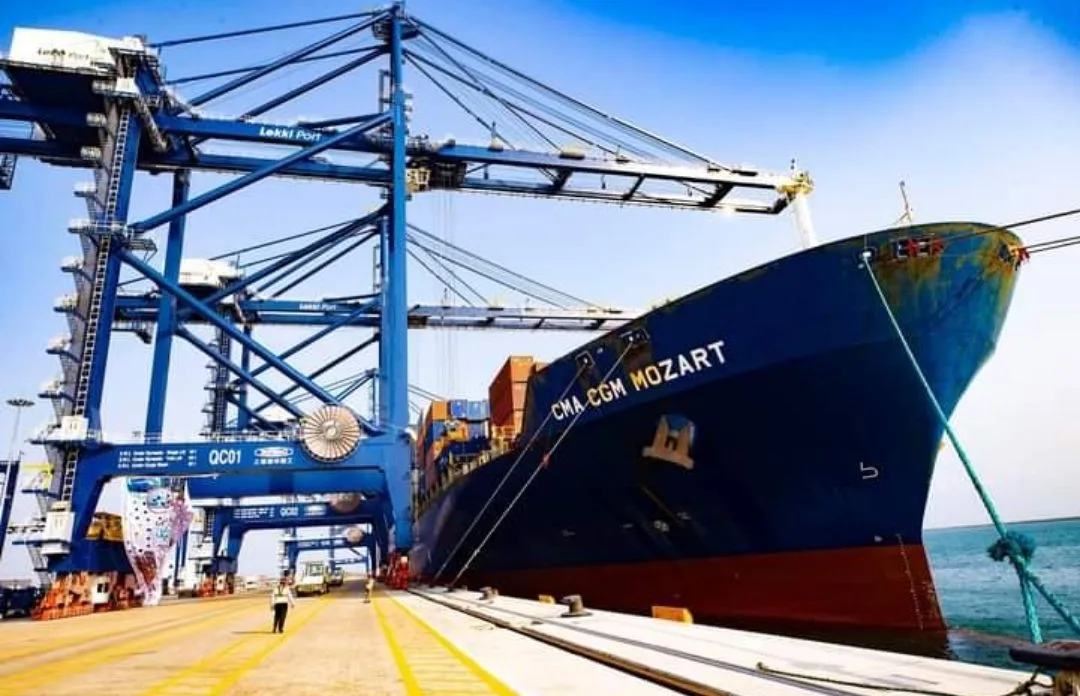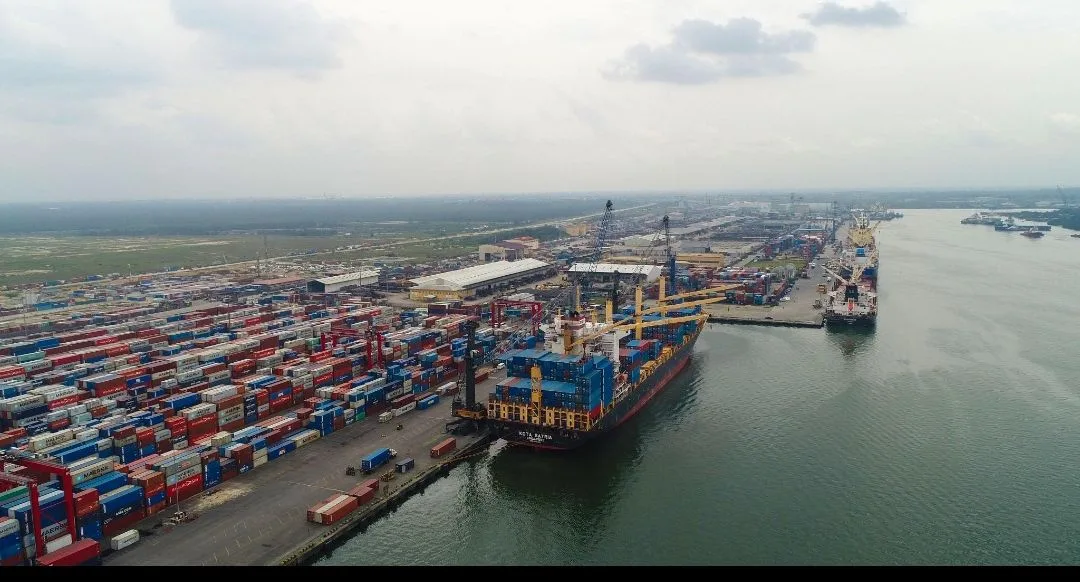

The Nigeria Customs Service (NCS), Apapa Area Command, has intercepted 4.14 tonnes of Cannabis Indica with an estimated street value of ₦26.57 billion, concealed inside a container carrying imported used vehicles, in an intelligence-led enforcement operation at Nigeria's busiest seaport.
The seizure followed a joint operation between the Apapa Area Command and the National Drug Law Enforcement Agency (NDLEA) after credible intelligence prompted a detailed examination of container FANU1933352 on 10 July 2026.
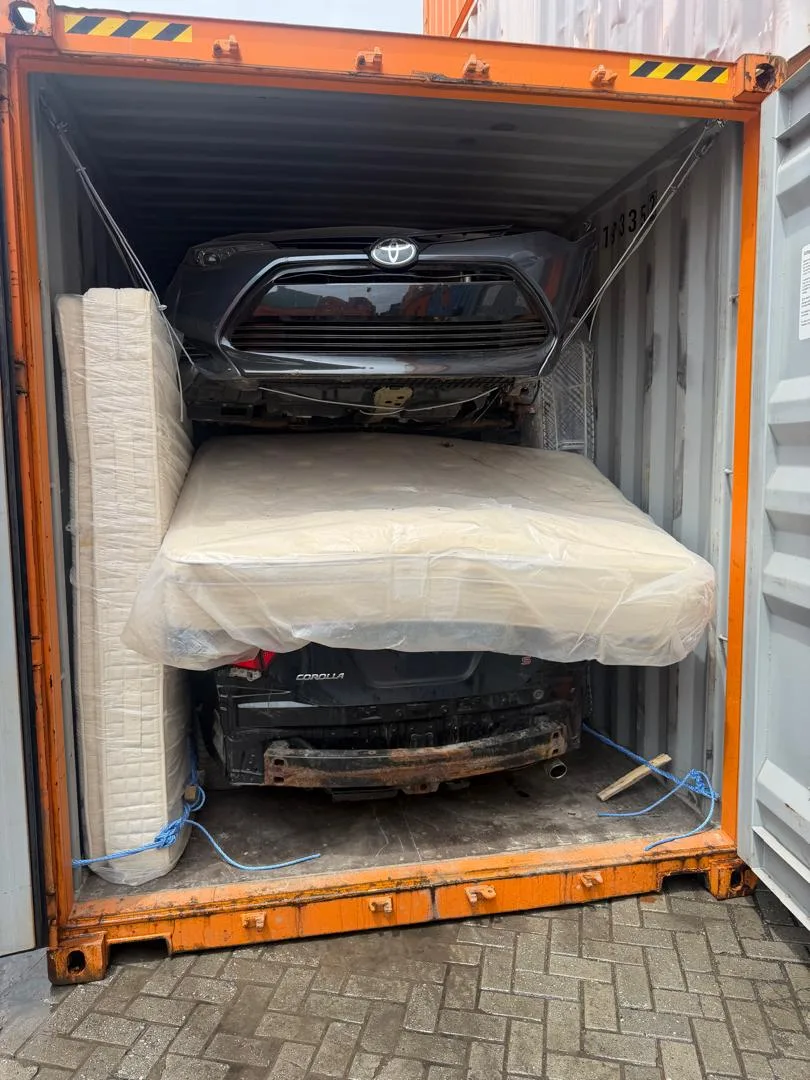

During the examination, officers uncovered 162 bags containing 8,287 parcels of Cannabis Indica, weighing a total of 4,143.5 kilograms, hidden beneath and between three imported vehicles—a 2015 Nissan Micra, 2019 Toyota Corolla S, and 2015 Toyota Corolla. Four bags were concealed inside the Nissan Micra, while the remaining consignments were hidden within the container.
Customs Area Controller, Comptroller Emmanuel Oshoba, said the interception demonstrates the Command's commitment to preventing Nigeria's maritime gateways from being exploited for illicit trade. He noted that the operation aligns with the enforcement priorities of the Comptroller-General of Customs, Dr. Bashir Adewale Adeniyi, MFR, while maintaining the Service's commitment to facilitating legitimate trade.


The container has been seized in accordance with the provisions of the Nigeria Customs Service Act 2023, while investigations continue in collaboration with the NDLEA.
PrimeAxis Insight
This seizure represents more than the interception of illicit drugs—it reflects the continued shift towards intelligence-led border management within Nigeria's port ecosystem.
As cargo volumes grow and regional trade expands under the African Continental Free Trade Area (AfCFTA), the effectiveness of customs administration will depend less on routine physical inspections and more on the quality of intelligence, risk profiling, and inter-agency collaboration.


For Nigeria, the long-term value of this approach extends beyond enforcement. An intelligence-driven customs system helps protect legitimate trade, strengthens confidence in the country's logistics ecosystem, safeguards government revenue and reinforces the integrity of its maritime gateways.
If sustained, this approach could become a defining pillar of Nigeria's customs modernisation agenda, demonstrating how smarter enforcement can enhance both trade facilitation and border security while providing a model for maritime border governance across Africa.