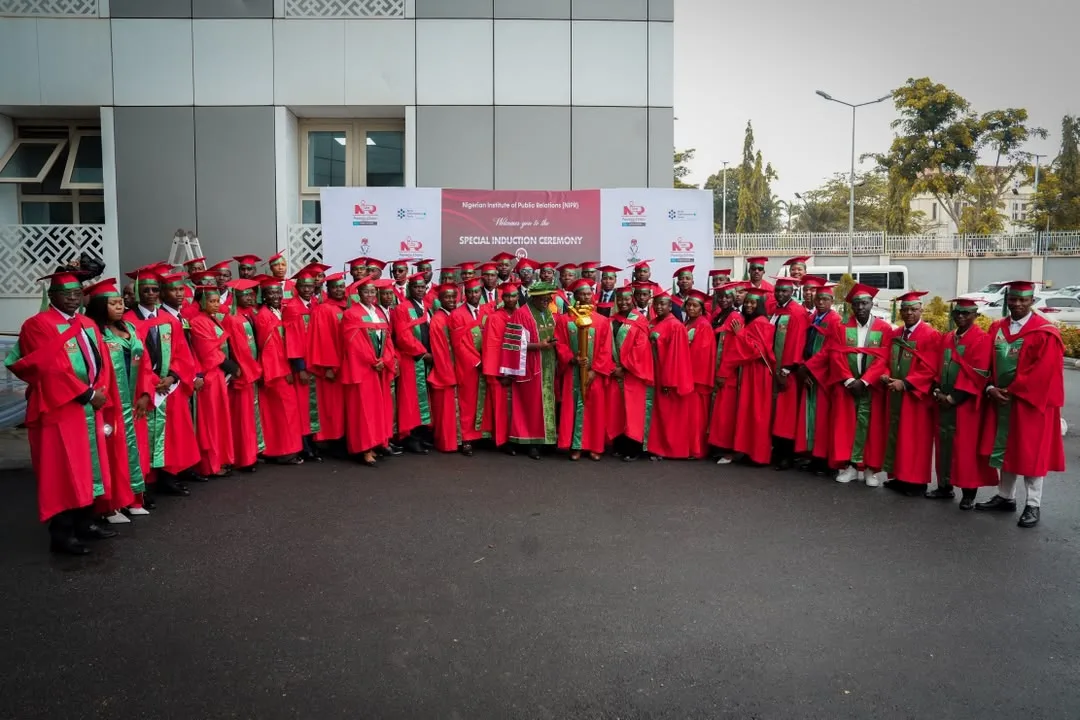
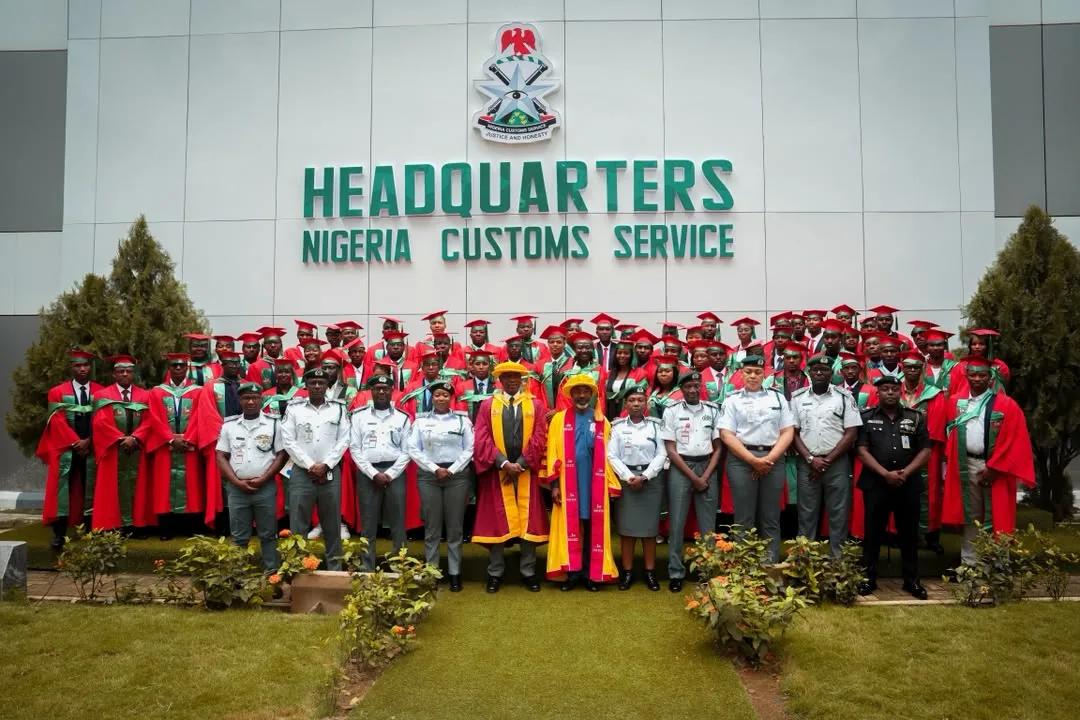
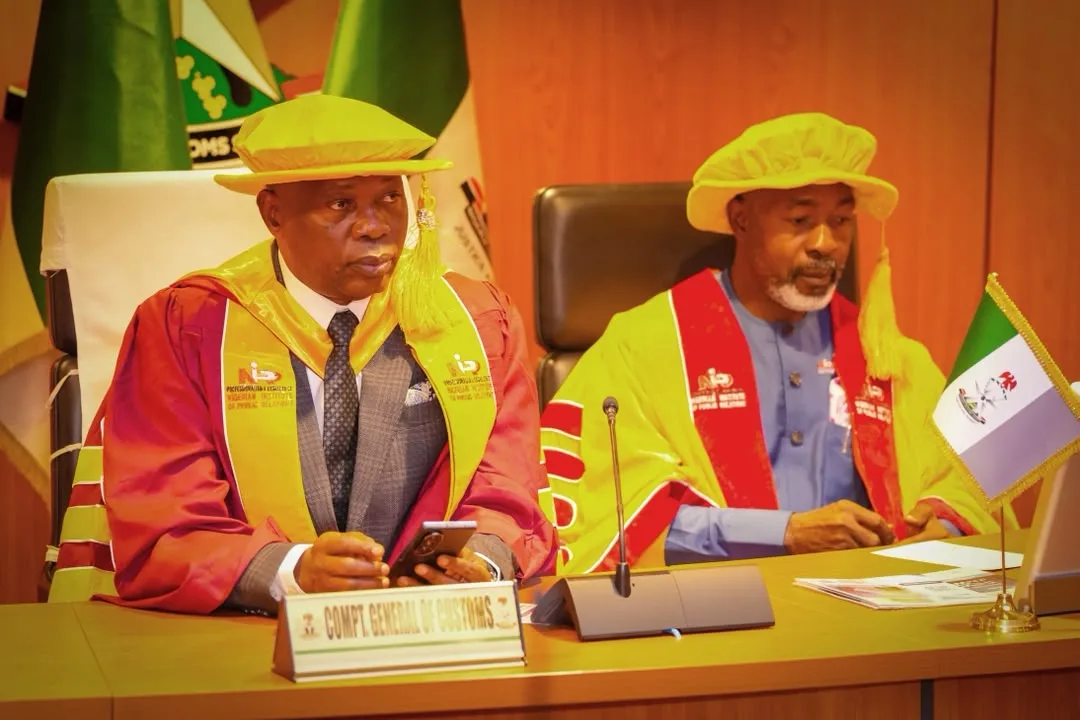
The Nigeria Customs Service (NCS) has inducted 70 Public Relations officers into the Nigerian Institute of Public Relations (NIPR), marking its first mass induction into the professional body since 2013 and reinforcing its investment in strategic communication as part of its ongoing modernisation agenda.
The induction ceremony, held on 13 July 2026 at the Service Headquarters in Abuja, reflects the Service's commitment to building a corps of certified communication professionals to support institutional reforms and stakeholder engagement.
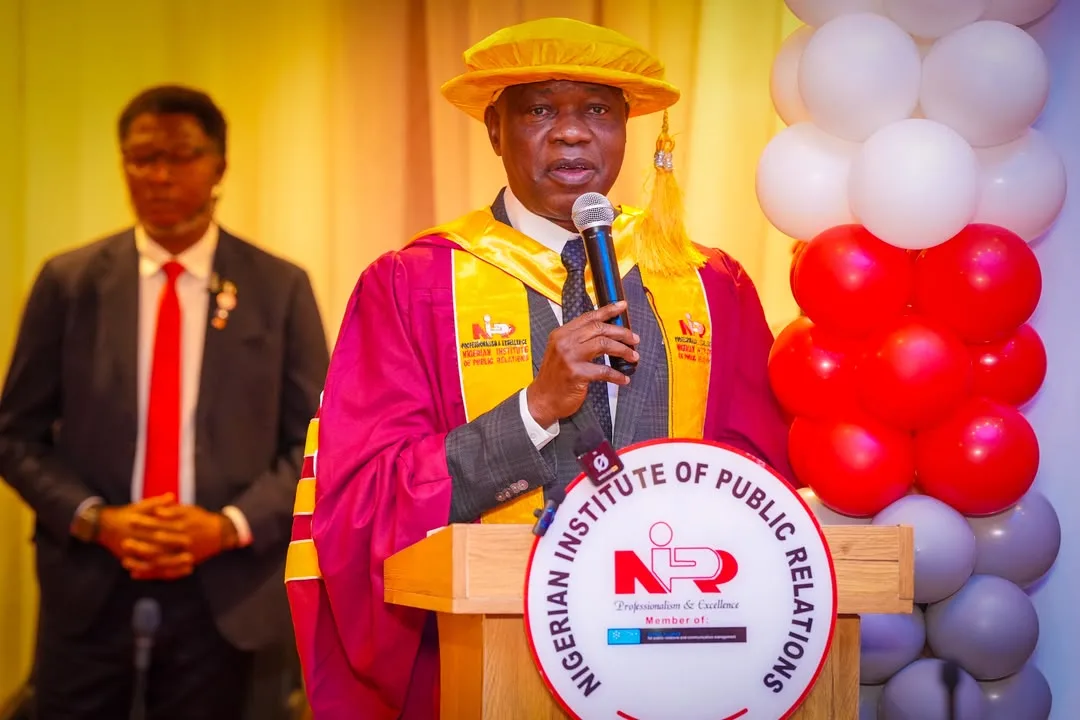

Comptroller-General of Customs, Adewale Adeniyi, MFR, described the induction as a strategic investment in the Service's communication architecture, noting that reforms and operational achievements must be supported by credible, professional communication. He urged the newly inducted officers to remain proactive in countering misinformation, shaping public perception and sustaining confidence in the Service.
The Comptroller-General also announced that the Service's flagship Corporate Social Responsibility initiative, Customs Cares, is expected to receive recognition at the forthcoming Commonwealth Games.

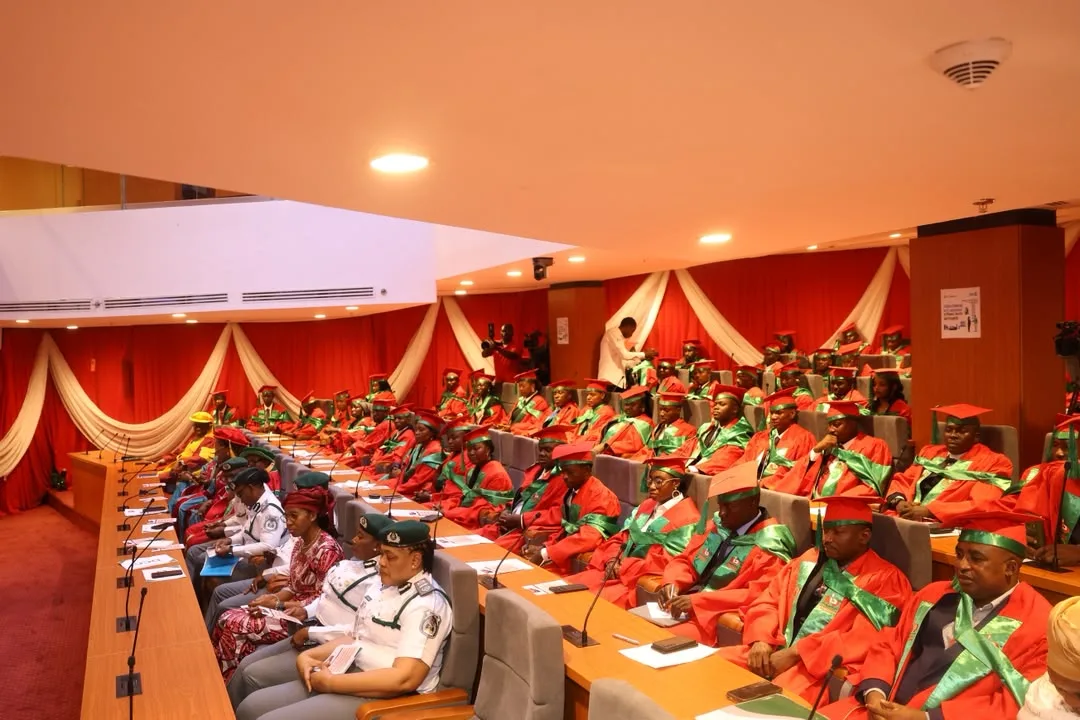

NIPR President and Chairman of Council, Dr. Ike Neliaku, commended the Service for prioritising professionalism, while former National Public Relations Officer, Joseph Attah, urged the officers to uphold the ethics of the profession through truthful, responsible and strategic communication.
PrimeAxis Insight
The induction of 70 certified Public Relations officers reflects a broader shift in how modern customs administrations approach institutional performance. Communication is no longer a support function—it is increasingly becoming a strategic capability.

As customs agencies embrace digital transformation, intelligence-led operations and trade facilitation reforms, their ability to communicate policy, manage misinformation and sustain stakeholder confidence has become integral to successful implementation.
For the Nigeria Customs Service, strengthening professional communication capacity complements its wider modernisation agenda by enhancing transparency, improving stakeholder engagement and reinforcing public trust. It signals an understanding that effective reforms are measured not only by operational outcomes, but also by how clearly they are communicated and understood.