From Extraction to Ownership. From Trade to Transformation.
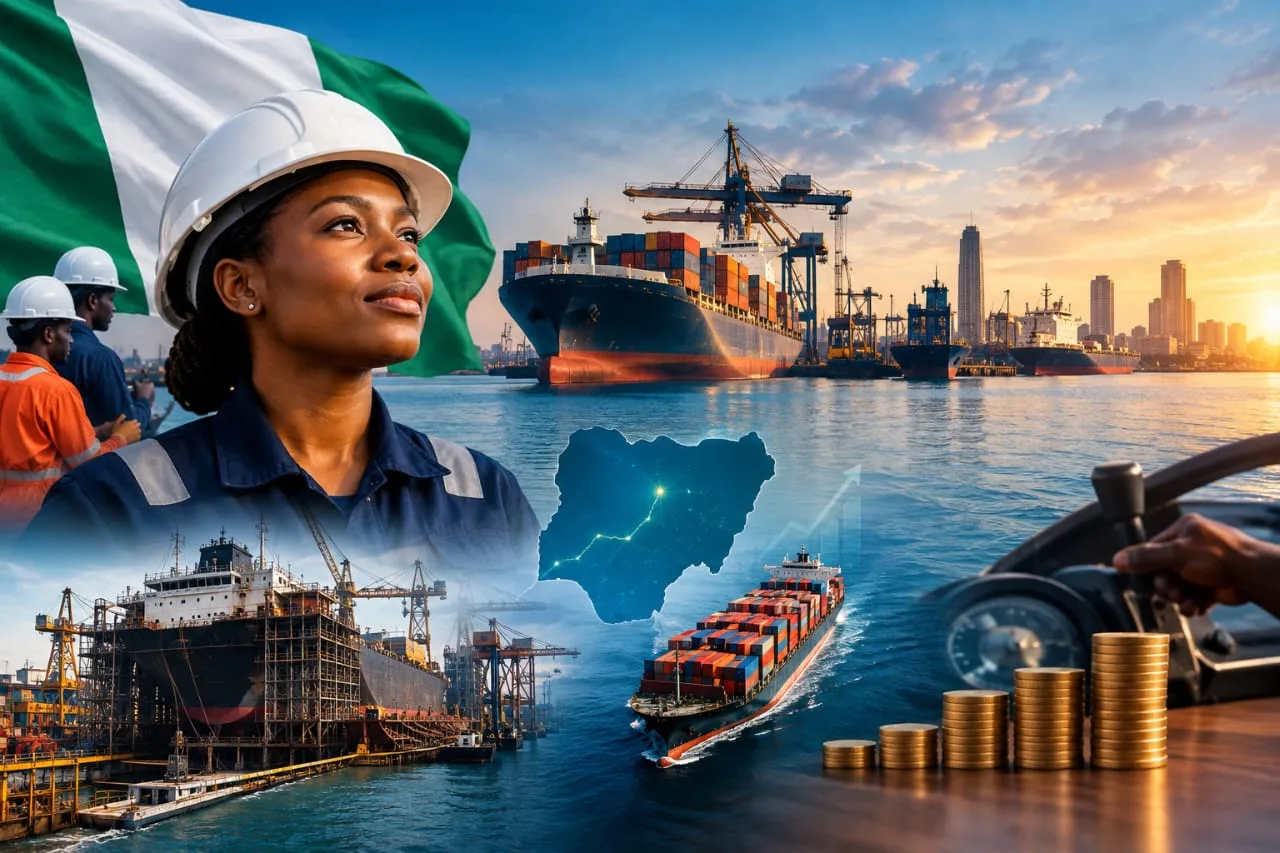
Africa stands at a defining moment in its maritime journey.
The continent is no longer short of ambition.
Ports are expanding.
Trade corridors are deepening.
The Blue Economy is rising on national and regional agendas.
The African Continental Free Trade Area (AfCFTA) is reshaping the logic of intra-African trade.
Yet beneath this momentum lies a critical question:
Will Africa only move cargo—or will it also capture the value behind it?
Because maritime strength is not defined by geography alone.
It is defined by capability.
Today, Africa’s maritime future will be shaped by five strategic capabilities.
1. INDIGENOUS FLEETS
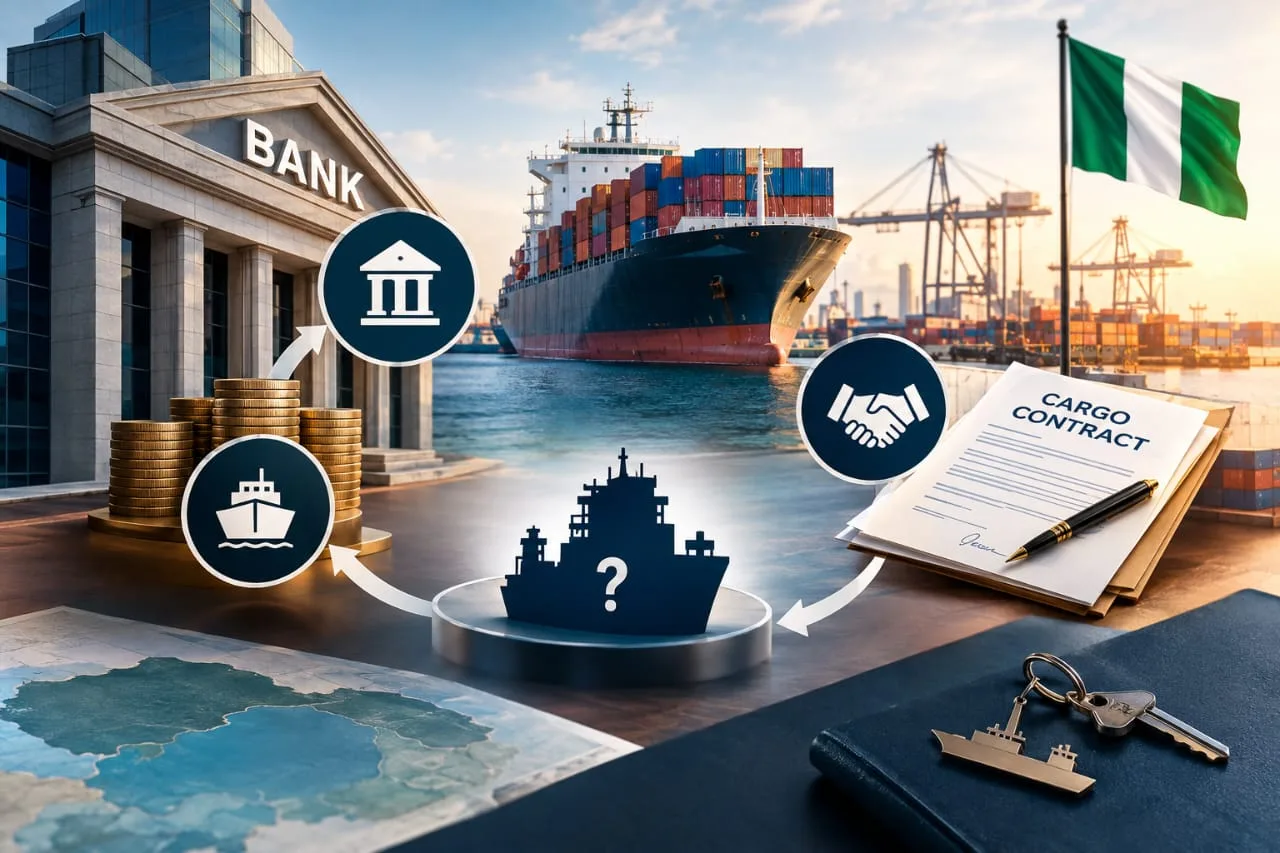
Africa cannot fully control maritime value while remaining heavily dependent on external shipping capacity.
A stronger indigenous fleet base is essential to:
Retain freight revenue within the continent
Strengthen intra-African trade routes
Improve bargaining power in global shipping
Build resilience against global freight shocks
Indigenous fleets are not just vessels.
They are instruments of economic sovereignty.
2. MODERNISED PORTS
Ports are no longer just entry points.
They are productivity engines.
But modernization must go beyond infrastructure expansion.
True competitiveness requires:
Digital port ecosystems
Faster cargo clearance systems
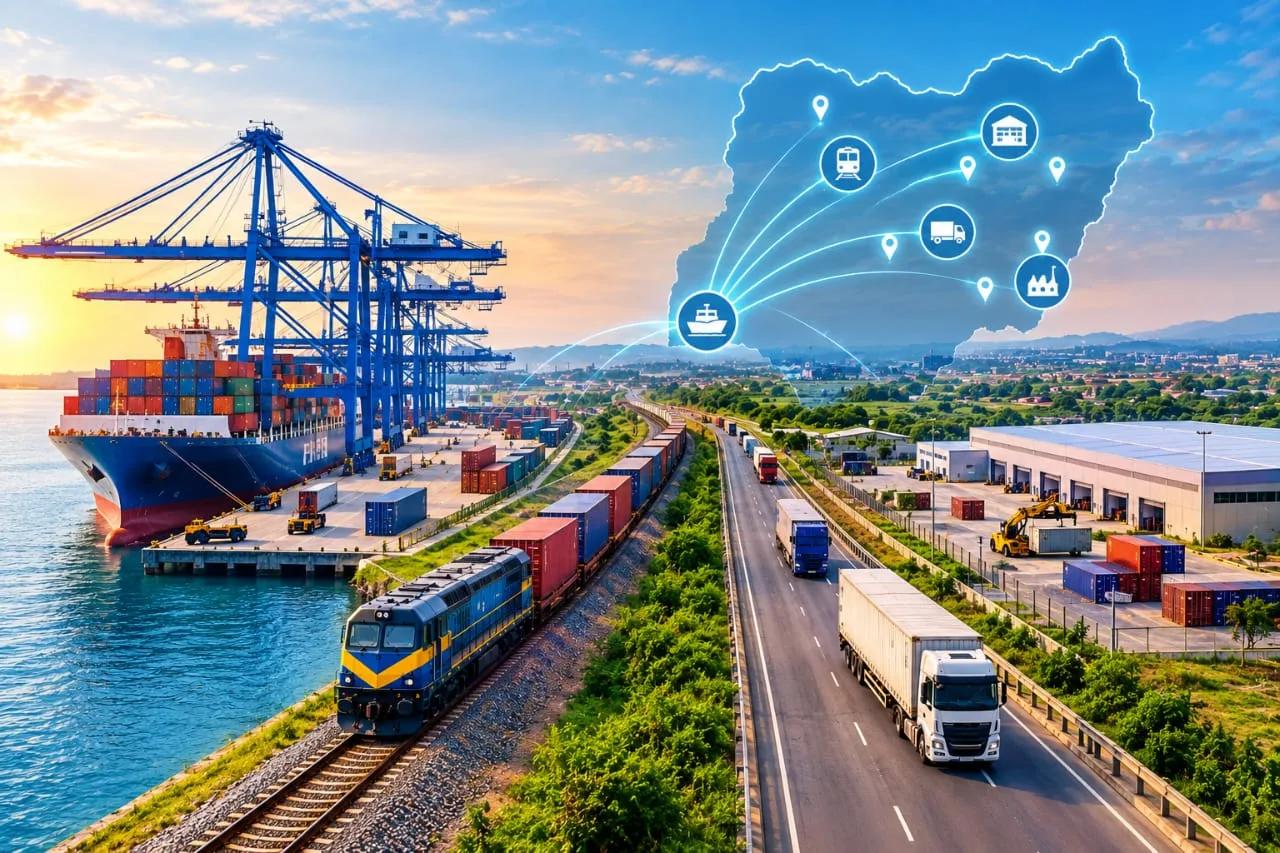
Integrated logistics corridors
Predictive port management systems
A modern port is not necessarily the largest one.
It is the one that moves cargo fastest and most efficiently.
3. MARITIME DOMAIN AWARENESS
You cannot secure what you cannot see.
Comprehensive maritime domain awareness is now a strategic necessity.
It enables:
- Real-time vessel tracking
- Protection against piracy and illegal fishing
- Improved coastal security
- Better resource management
- Data-driven maritime governance
In the modern maritime economy, visibility is power.
And intelligence is infrastructure.
4. SHIPBUILDING & REPAIR CAPABILITY
This is the missing industrial link in Africa’s maritime ambition.
Without domestic shipbuilding and repair capacity, Africa remains dependent—even when it owns or operates vessels.
Building this capability enables:
- Local value retention
- Industrial job creation
- Reduced foreign exchange outflows
- Technology transfer and engineering development
- Stronger maritime supply chains
A maritime economy that cannot repair its own ships cannot fully control its own value chain.
5. ENHANCED GOVERNANCE
Capability is sustained by systems, not intentions.
Strong maritime governance ensures:
Policy consistency and enforcement
Transparent regulatory frameworks
Efficient institutional coordination
Investment confidence
Reduced operational friction
Governance is the invisible infrastructure that determines whether maritime ambition succeeds or stalls.
THE STRATEGIC FRAMEWORK: AIM 2050
The Africa Integrated Maritime Strategy 2050 (AIM 2050) provides a long-term vision to shift Africa:
From dependency → to sovereignty
From fragmented systems → to integrated maritime capability
From raw trade participation → to value chain ownership
It represents a coordinated pathway toward maritime transformation across the continent.
FROM PARTICIPATION TO OWNERSHIP
Africa’s maritime future is no longer about access alone.
It is about control of capability.
The next phase of the Blue Economy will not be defined by how much Africa trades—
but by how much Africa owns, builds, manages, and understands within its maritime system.
FINAL THOUGHT
Africa’s oceans are not just trade routes.
They are economic systems.
And systems reward capability.
To capture more maritime value, Africa must evolve from a raw material exporter into an active maritime value creator by building:
- Fleets
- Ports
- Intelligence systems
- Shipbuilding capacity
- Strong governance
Africa does not just participate in global maritime trade.
It defines its place within it.
The future of Africa’s maritime economy will be decided not at sea—but in capability.