As African governments intensify efforts to improve the safety, reliability and professionalism of inland water transport, investment in people is emerging as one of the sector's most strategic priorities. It is against this backdrop that the Lagos State Waterways Authority (LASWA), in partnership with Interferry, has successfully completed the second module of the Ferry Safety Development Programme (FSDP), further strengthening Africa's first structured professional development pathway for ferry operators.
The completion of the Seamanship module represents more than another training milestone. It reflects a deliberate shift towards competency-based capacity development, recognising that sustainable improvements in ferry safety depend not only on vessels and infrastructure, but also on the knowledge, judgement and operational discipline of the people responsible for daily ferry operations.
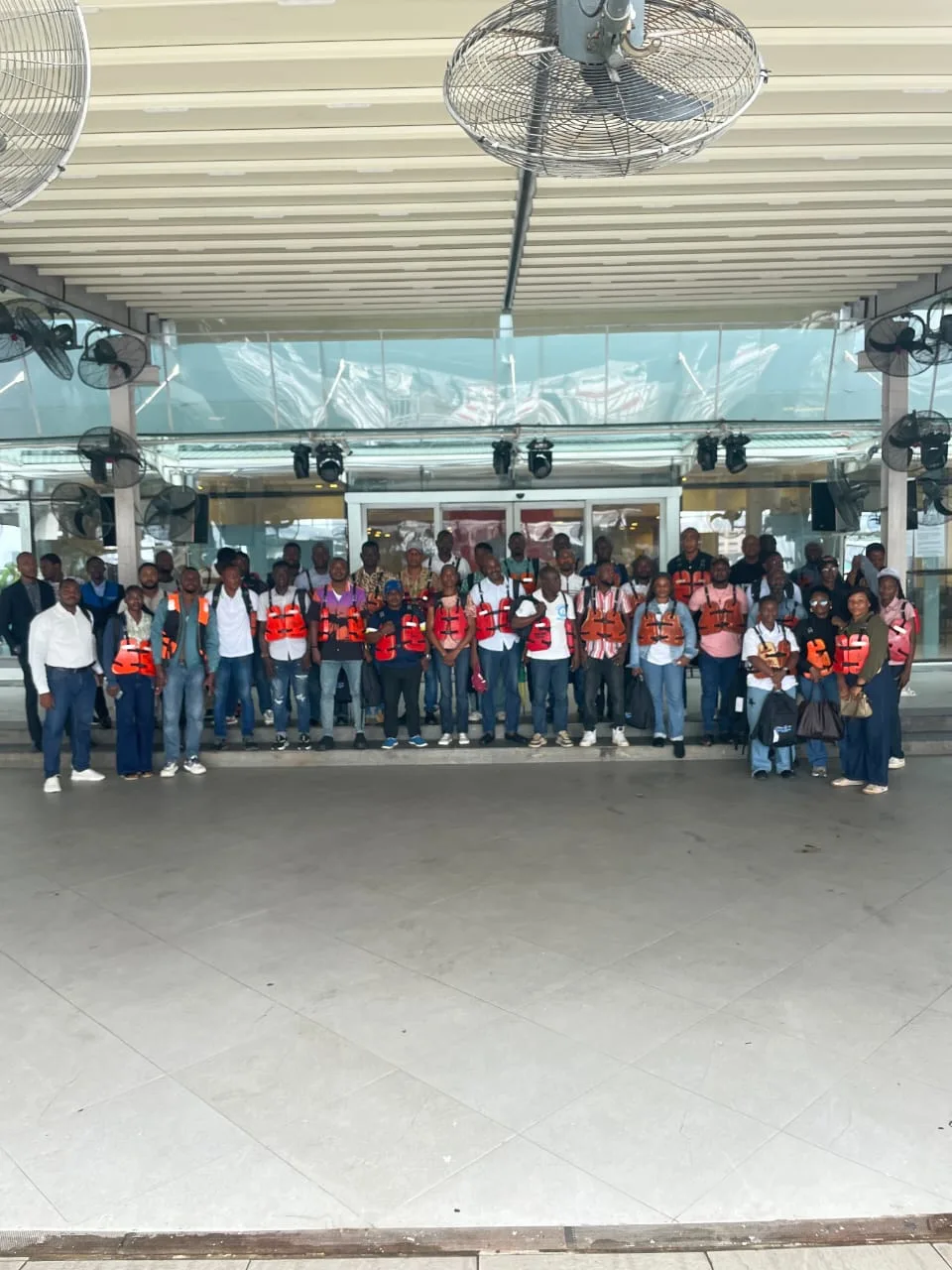
Delivered throughout June, the module focused on the practical foundations of professional seamanship, including ropes and knots, mooring and anchoring, and deck maintenance. Participants progressed through a blended learning model combining self-paced study, virtual mentoring, expert engagement and practical field exercises, ensuring that theoretical knowledge was reinforced through operational application.
A key feature of the module was the "Ask the Expert" session held on 17 June, where participants interacted with Mr. Jeff Joyce, Interferry Mentor and Vice President, Marine Operations, Northumberland Ferries Limited. Drawing from decades of international operational experience, Joyce explored the realities of modern ferry operations, leadership at sea, safety management and seamanship standards, while encouraging participants to relate global best practices to the operational realities of African waterways.
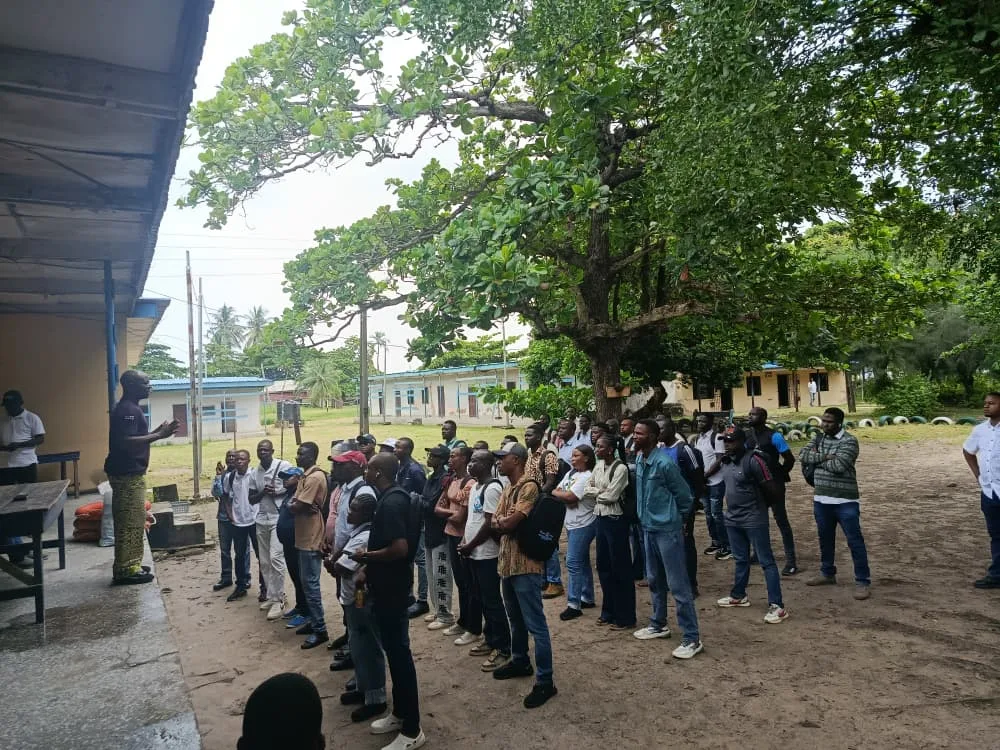
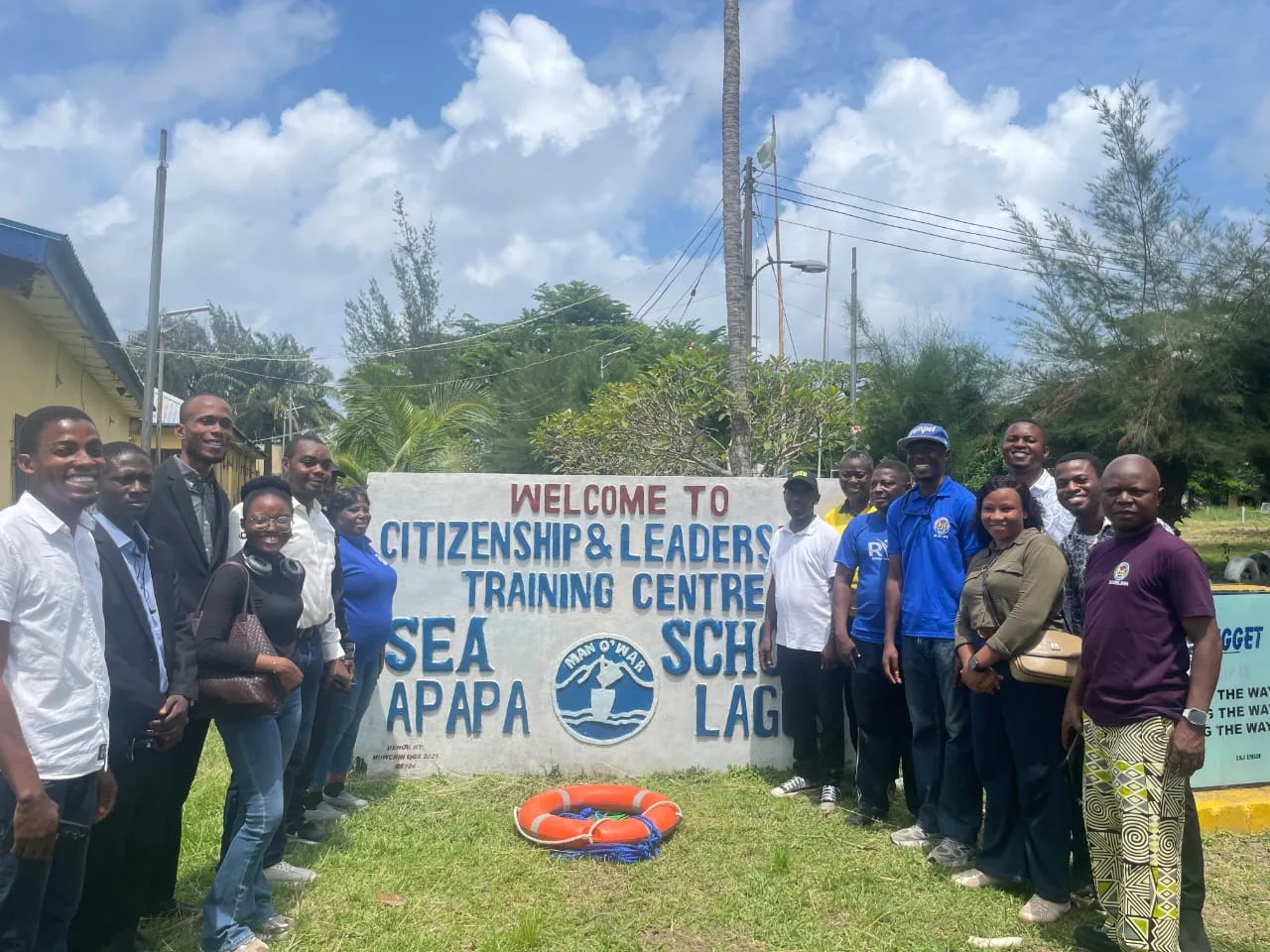
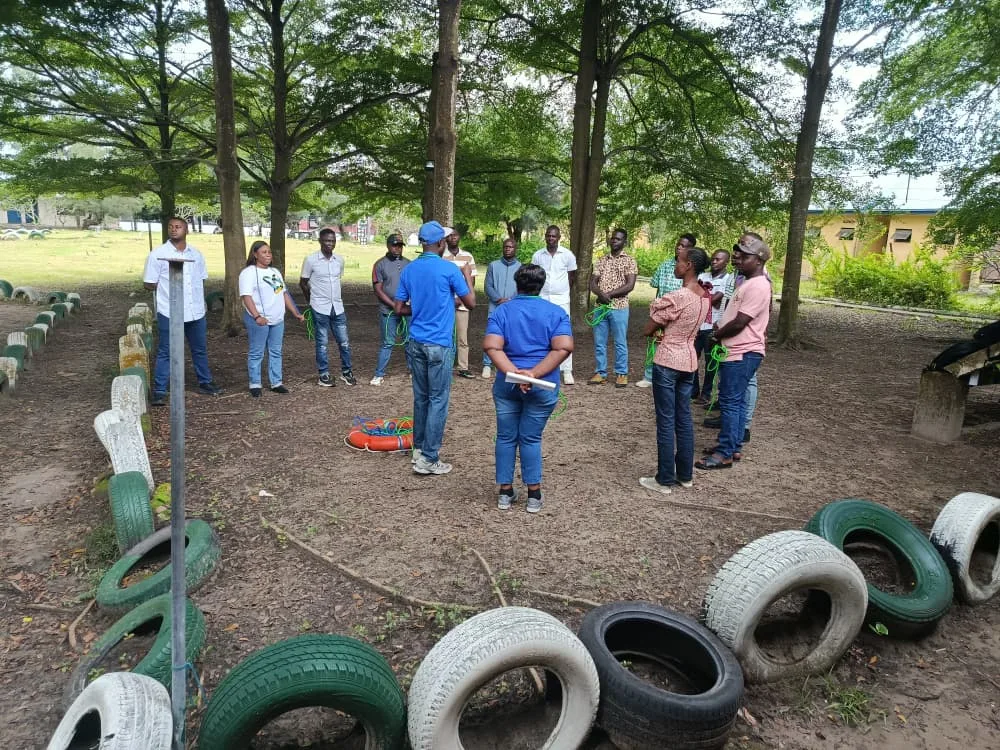
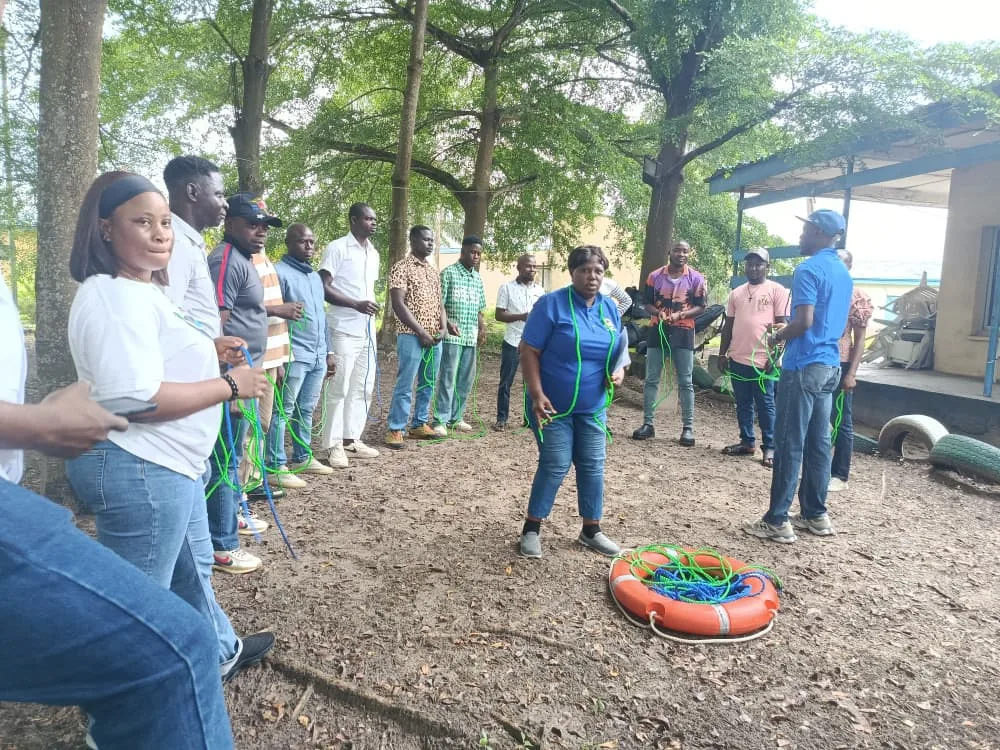
The programme's practical training was conducted on 24 June at Sea School, Apapa, under the coordination of Engr. Ukeme Sunday and facilitated by Sea School Coordinator, Dr. Ekundayo, with the support of seven experienced maritime instructors.
The 50 participants were divided into three practical groups, receiving intensive instruction in rope identification, rope handling, knot tying, line management and the operational use of essential knots in ferry services. Beyond technical proficiency, the exercises strengthened teamwork, situational awareness, communication and safe onboard decision-making—competencies that remain fundamental to accident prevention and efficient vessel operations.
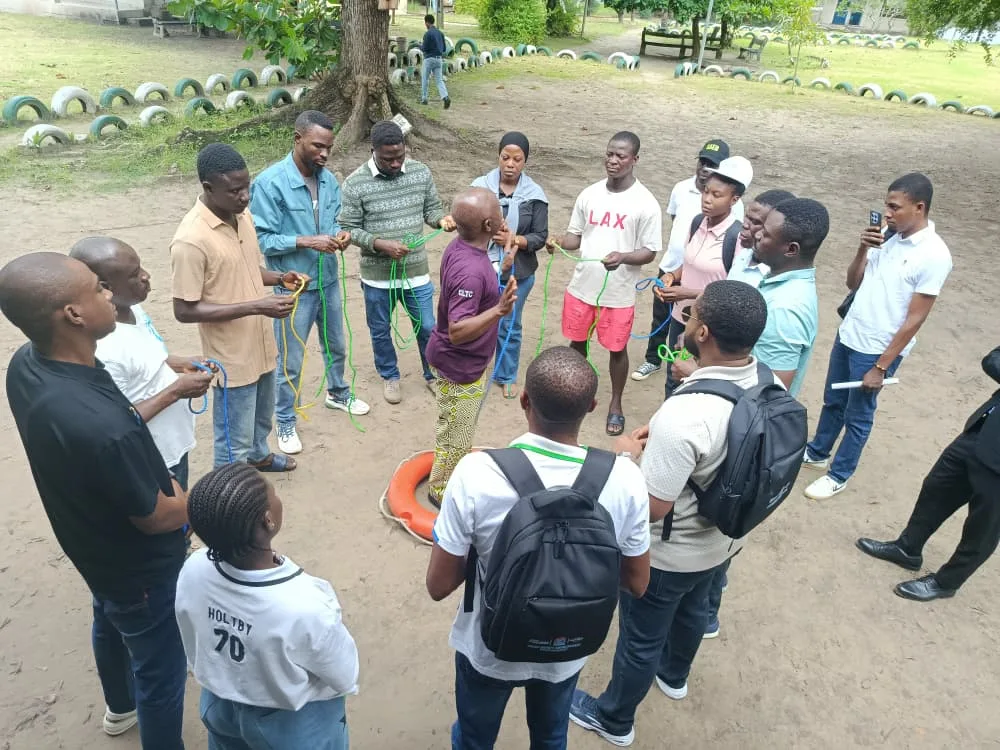
Speaking on the significance of the programme, the Special Adviser to the Governor on Blue Economy, Mr. Oluwadamilola Emmanuel, emphasised that the practical component complements the programme's virtual mentoring and self-paced learning by exposing participants to real operational environments where internationally recognised practices can be translated into everyday operational competence.
The programme also demonstrates the growing value of collaboration across the maritime ecosystem. LASWA acknowledged Lagos Ferry Services Company Limited (LAGFERRY) and Thesaurus Bay Limited for providing ferries for the practical exercises; Interferry for sponsoring the programme; Mrs. Shari Corrigan for her continued technical support; Mr. Jeff Joyce for sharing international expertise; and Dr. Ekundayo and the management of Sea School, Apapa, for facilitating the practical sessions. The Authority further recognised the Lagos State Government for sustaining investments in maritime safety, human capital development and the state's expanding blue economy agenda.
What distinguishes the Ferry Safety Development Programme is its long-term approach to workforce development. Rather than focusing on isolated training interventions, the 18-month programme is structured to progressively build technical competence, operational leadership and a culture of continuous learning. This aligns with a growing global recognition that resilient ferry systems are built not only through regulatory oversight and modern infrastructure, but through competent professionals capable of applying international standards consistently in day-to-day operations.
For Africa, where inland waterways continue to expand as vital transport corridors connecting communities, supporting commerce and reducing pressure on road networks, strengthening human capital is increasingly becoming a strategic investment in transport resilience, passenger safety and sustainable blue economy development. Programmes such as the FSDP therefore contribute not only to improving individual competencies but also to building institutional capacity capable of supporting safer ferry operations across the continent.
With two modules successfully completed, the programme now advances to Module Three—Ferry Safety—in July 2026. Participants will undertake specialised learning in emergency preparedness, risk management and internationally recognised safety practices, continuing the programme's objective of developing a new generation of ferry professionals equipped to strengthen safety culture and operational excellence across Africa's inland waterways.