Why Inclusion Is Now an Economic Imperative
Africa's maritime future will not be determined solely by the ports it builds, the ships it acquires or the policies it adopts. Increasingly, it will be shaped by something less visible—but far more strategic: the quality of the human capability behind them.
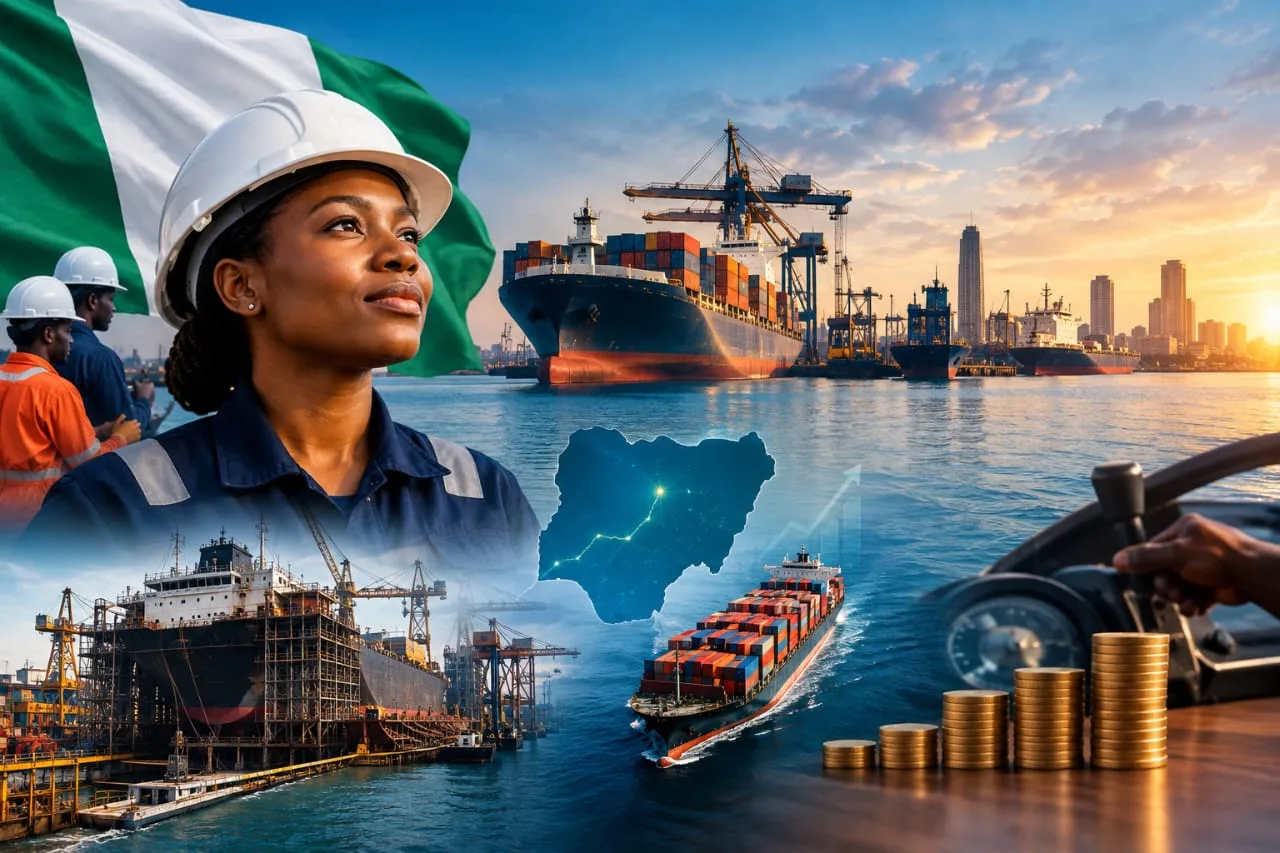
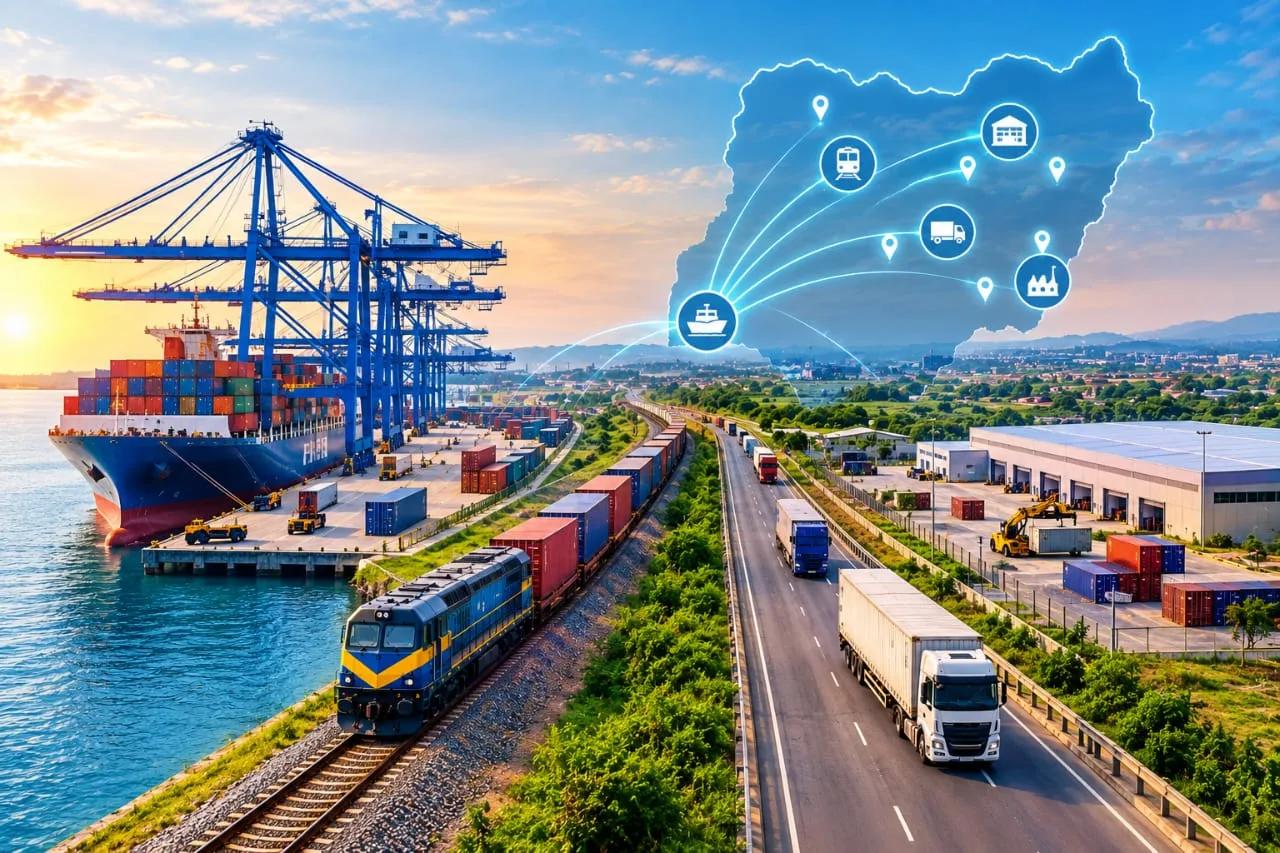
Across the continent, governments are investing in ports, logistics corridors, inland waterways and Blue Economy initiatives. The African Continental Free Trade Area (AfCFTA) is accelerating regional trade, while Africa's Blue Economy—already valued at more than US$300 billion annually—is expected to play an even greater role in the continent's economic transformation.
Yet amid these investments, one strategic question continues to receive far less attention than it deserves.
Can Africa build world-class maritime capability while underutilising half of its available talent?
For decades, the maritime industry has remained one of the world's most male-dominated sectors. Women have traditionally been concentrated in administrative and support roles, while technical operations, seafaring, marine engineering, ship management and executive leadership remained overwhelmingly occupied by men. According to the International Maritime Organization (IMO), women account for only a small fraction of the global seafaring workforce, while representation across many technical maritime professions remains disproportionately low.
That narrative is gradually changing.
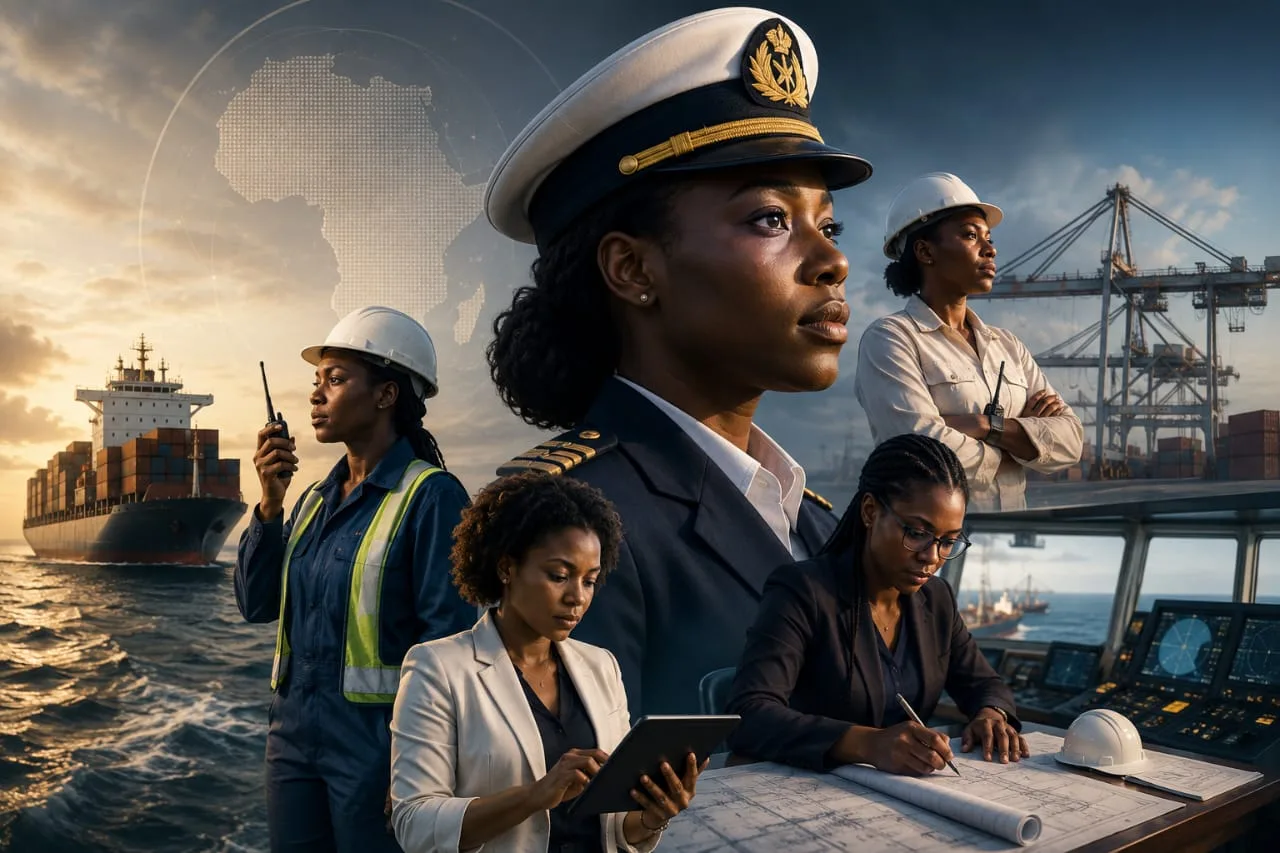
Across Africa and the wider maritime industry, women are
increasingly serving as ship captains, marine engineers, naval architects, port
managers, maritime lawyers, surveyors, logistics professionals, regulators,
entrepreneurs and technology specialists. Their growing presence reflects more
than progress in gender inclusion. It represents an expansion of the industry's
technical expertise, leadership capacity and innovation potential.
This distinction matters.
Much of the conversation surrounding women in maritime continues to focus on representation. Representation matters, but representation alone does not make industries more competitive.
Capability does.
Every additional marine engineer strengthens engineering capacity. Every qualified seafarer expands operational capability. Every logistics specialist improves supply chain performance. Every maritime lawyer reinforces institutional governance. Every entrepreneur broadens productive capacity.
Viewed through this lens, investing in women is no longer simply a social objective.
It is an economic and strategic imperative.
The global maritime community increasingly recognises this reality. The International Maritime Organization (IMO) has consistently encouraged member states to expand opportunities for women through maritime education, leadership development and technical cooperation, recognising that a stronger and more inclusive workforce contributes to safer, more resilient and more sustainable maritime industries.
Across Africa, that vision is being reinforced by a growing ecosystem of professional organisations committed to developing female maritime talent. Women in Maritime Africa (WIMA) promotes professional development and regional collaboration across the continent. Women in Maritime of West and Central Africa (WIMOWCA) continues to strengthen leadership and cooperation among maritime professionals within the sub-region. Women's International Shipping & Trading Association (WISTA), through its national chapters across Africa, connects executives, entrepreneurs and decision-makers while advancing leadership within shipping and maritime trade. Likewise, Women in Logistics and Transport (WiLAT) continues to expand opportunities across logistics, freight and multimodal transport through mentorship, professional development and industry advocacy.
Collectively, these organisations are doing far more than advancing gender inclusion. They are strengthening Africa's maritime talent pipeline, expanding professional networks, nurturing future leaders and building the human capital required for an industry undergoing profound transformation.
That transformation is being driven by digitalisation,
artificial intelligence, smart ports, decarbonisation, cybersecurity and
increasingly sophisticated global supply chains. Competing in this environment
will require Africa to mobilise the broadest possible pool of technical
expertise.
The continent's greatest maritime constraint may therefore
not be infrastructure alone.
It may be human capability.
Nigeria offers a useful example of how this thinking is evolving. For many years, government efforts to advance gender equality in transport were reflected largely through broad national policy commitments, with relatively limited sector-specific interventions. More recently, however, institutions such as the Nigerian Maritime Administration and Safety Agency (NIMASA) and the Nigerian Ports Authority (NPA) have expanded support for female cadets through scholarships, technical training, international exposure, leadership development and professional recognition. While these initiatives have not eliminated longstanding barriers, they demonstrate a gradual shift from viewing gender equality as a social aspiration to recognising that expanding maritime capability requires expanding opportunity.
Significant challenges nevertheless remain. Women continue
to be underrepresented in seafaring, marine engineering, offshore operations,
ship ownership and executive leadership. Access to sea-time opportunities,
finance, mentorship, technical training and safe working environments continues
to shape career progression across many parts of the industry.
These challenges should concern policymakers, regulators, industry leaders, financial institutions and maritime educators—not simply because they affect women, but because they affect Africa's competitiveness.
Every barrier that prevents capable women from entering or
advancing within maritime reduces the continent's ability to develop the
skilled workforce required for modern shipping, logistics and Blue Economy
industries.
The question, therefore, is no longer whether women belong in maritime.
Their growing contributions have already answered that.
The more important question is whether Africa can build
globally competitive maritime industries while leaving a significant portion of
its available talent underdeveloped.
History suggests it cannot.
The world's leading maritime nations built far more than
ports and fleets. They built institutions that consistently developed technical
expertise, leadership, innovation and specialised knowledge. Infrastructure
created opportunity. Human capability transformed that opportunity into
economic strength.
Africa's maritime transformation will require the same approach.
Investment in infrastructure must be matched by investment in people.
The continent needs more marine engineers, naval architects,
maritime lawyers, logistics specialists, digital innovators and seafarers.
Achieving that objective requires expanding opportunity
wherever talent exists.
That includes women.
PRIMEAXIS INSIGHT
Africa's maritime future will not be determined solely by the depth of its ports, the size of its fleets or the billions invested in the Blue Economy. Those are important assets, but assets alone do not create maritime powers.
Capability does.
For decades, discussions about women in maritime have centred on representation. While representation remains important, it is no longer the most strategic conversation.
The real conversation is capability.
Every female marine engineer developed expands Africa's
engineering capacity.
Every female seafarer trained strengthens operational capability.
Every female maritime lawyer enhances institutional governance.
Every female logistics professional improves supply chain resilience.
Every female entrepreneur broadens Africa's maritime enterprise ecosystem.
In other words, investing in women is not simply expanding participation.
It is expanding Africa's maritime capability.
The countries that will lead Africa's maritime future will not necessarily be those with the longest coastlines or the largest ports. They will be those that develop the broadest pool of maritime talent, build stronger institutions and ensure that no source of expertise is left underutilised.
Because in the global maritime economy, competitive advantage is no longer created by geography alone.
It is created by capability.
No maritime nation ever became globally competitive by
leaving part of its talent behind.