
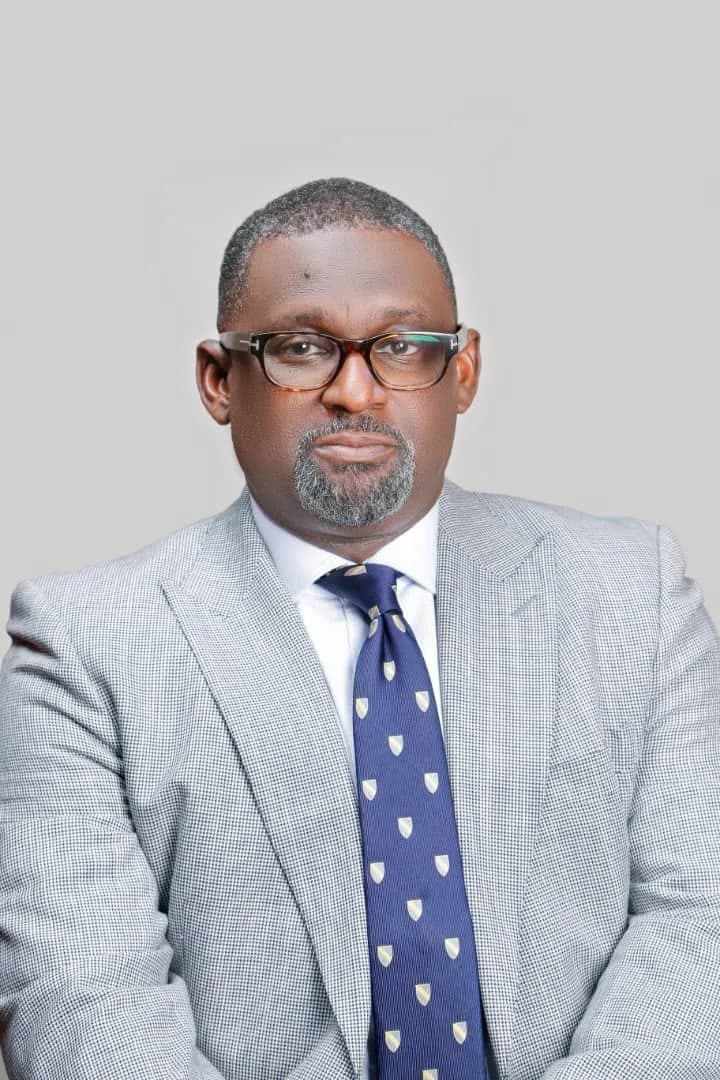
Abdulkadir Ahmed
Managing Director/Chief Executive Officer
NLNG Shipping and Marine Services Limited (NSML)
“BUILDING NIGERIA’S WORLD CLASS MARITIME WORKFORCE: THE INDUSTRY’S ROLE IN COMPETENCE, SAFETY AND GLOBAL STANDARDS”
As the global shipping industry becomes increasingly shaped by stringent safety requirements, technological change, environmental standards and increasingly sophisticated marine operations, the quality of Nigeria’s maritime workforce will determine how effectively the country can participate in and compete within the global maritime economy.
Nigeria’s maritime future will ultimately depend not only on the ships, ports and infrastructure it builds, but on the competence of the people who operate them.
As the global shipping industry becomes increasingly shaped by stringent safety requirements, technological change, environmental standards and increasingly sophisticated marine operations, the quality of Nigeria’s maritime workforce will determine how effectively the country can participate in and compete within the global maritime economy.
Nigeria has made important investments in maritime infrastructure, regulation and training.
Yet a fundamental challenge remains: are we developing the depth of competence and practical experience required to operate safely, efficiently and competitively at international standards?
The challenge goes beyond training alone. It encompasses the quality of maritime education, access to meaningful sea-time, practical exposure, mentorship, professional development, retention of skilled personnel and the ability of industry, regulators and training institutions to work together to build a sustainable talent pipeline.
There are encouraging examples of industry led intervention. The collaboration between the Maritime Academy of Nigeria and NLNG Shipping and Marine Services has created opportunities for Nigerian cadets to gain practical onboard experience, while NSML’s broader investment in maritime training and human capacity development demonstrates the important role that industry can play in strengthening the country’s maritime workforce.
But the bigger question is how these efforts can contribute to a stronger and more coordinated national capacity development framework one capable of producing professionals who are not only certified, but genuinely competent, safety conscious and prepared for the demands of modern shipping.
In this Executive Conversation, Abdulkadir Ahmed, Managing
Director and Chief Executive Officer of NLNG Shipping and Marine Services
Limited, discusses the state of Nigeria’s maritime competencies, the role of
industry in developing practical skills, the domestication of international
shipping standards, safety culture, sea-time opportunities and the capabilities
Nigeria needs to build a globally competitive maritime workforce for the next
decade.
“The Nigerian factor shouldn’t be about taking shortcuts. It should be about ensuring that we meet or even exceed those standards.” — Abdulkadir Ahmed, MD/CEO, NSML
TRANSCRIPT REF: EC-2026-006 · RECORDED: 3 September 2026 · STATUS: ON RECORD
NLNG Shipping and Marine Services operates in an environment where international shipping standards, technical competence and operational safety are non-negotiable. From your experience at NSML, what does it take to build and retain world class Nigerian maritime talent, and what more can the company and the wider industry do to develop that talent?
Absolutely. I think it’s important to recognise that the bedrock of the global shipping and maritime sector is really about the people. It’s about having the right, competent people to effectively manage the assets.
With NSML, and by extension the parent company, Nigeria LNG, it was a deliberate action taken right at the beginning, even before the FID for the first two trains was taken. The founding fathers took a deliberate decision to invest in shipping assets, but most importantly, to invest in capacity development.
That started with the initial NLNG Cadetship Programme, where essentially we selected a number of Nigerian cadets from the Maritime Academy of Nigeria, Oron, trained them, sent them abroad and put them on vessels traversing the world and operating globally. That was really the foundation.
Beyond that, of course, is continuous education because ultimately you have an industry that is constantly evolving. It has to go beyond simply having a Certificate of Proficiency or Certificate of Competency. Those are baseline qualifications. It is about ensuring that people get their experience onboard, learn onboard and continue to develop themselves, and that’s what we have been doing at NSML.
We have partnerships with organisations such as NIMASA and the Maritime Academy of Nigeria, Oron, where we have training for cadets under the NSDP programme, giving them sea-time onboard our vessels and taking them through structured competency development programmes.
Beyond that, we have also launched our own cadetship programme. This is our second year. We selected individuals from the Maritime Institute of Nigeria, sent them to maritime training colleges abroad and put them on our vessels so they could gain structured and real life experience on those vessels.
But I think beyond the investment, it is equally about partnership. It is important that you have the right kind of partnerships and the right kind of training facilities to continue to develop people.
It is not just about having a Certificate of Competency or Certificate of Proficiency; it is about continuous development in an ever-evolving maritime sector.
Of course, you have to attract, develop and retain those competencies onboard. The shipping industry has always been global, so you have to maintain standards. But in attracting people, you also have to ensure that the employee value proposition is complete.
For us in NSML, one of the things we are proud of and continue to reiterate is that for our seafarers, there is no demarcation between Nigerians and non Nigerians in terms of pay, working conditions or conditions of service. It is the same. We are continuously benchmarking ourselves against our peers, not just locally but internationally.
Anyone working with us can be assured that they will have the same opportunities, the same level of training, the same level of competency development and the same opportunities to grow, but most importantly, the same level of competitive remuneration. That is quite important.
One key thing in NSML is that we are not just developing Nigerian seafarers for our operations. No. We are developing Nigerian seafarers for the wider NLNG shipping and maritime institutions. We believe that is a tremendous value.
We are a country of over 200 million people, and more than
60 percent are below the age of 30. That is a veritable resource, and we are
trying to do our little bit to ensure we give our youths the opportunity to
participate in such a global industry.
Nigeria has invested in maritime infrastructure, regulation and training, yet competency remains a concern. Where do you see the biggest gaps in the technical and professional capabilities of our maritime workforce today, and what needs to change to close them?
I think there are multiple areas, but quite importantly, from the point of view of closing the gaps, competency in international maritime skills is governed by regulation, and that provides the baseline.
It is not that you have a local standard where you play when it comes to capacity and competence. The standards are global. I have always emphasised that. The standards are global.
Sometimes we tend to and I hate to use the phrase "Nigerianise” things, or talk about the Nigerian factor. The Nigerian factor shouldn’t be about taking shortcuts. It should be about ensuring that we meet or even exceed those standards.
As regards government, of course, it is multifaceted. There is the need for the domestication of those standards and regulations locally. But simply domesticating them is not enough. You must have the proper framework in place to ensure that you are constantly reviewing and enforcing those standards.
The second aspect is having the right kind of institutions fully equipped institutions, internationally accredited and meeting international standards to develop our seafarers and give them the theoretical foundation.
But is that sufficient? No. You must have the necessary infrastructure and framework to ensure that our cadets and people within the industry get practical experience onboard ocean going vessels. That is one thing we have been able to do at NSML.
Most importantly, I think one factor that needs to be looked
into is how we collaborate between the training institutions, the industry
itself the operators, shipowners and ship operators a
and importantly, the regulators, to ensure that our curricula are not static but continue to evolve.
This must come from the operators. They are the ones in the field, and it is imperative that institutions and regulators create that forum where the opinions of operators, in terms of the required competencies to survive and operate in the right environment, are taken into account in defining curricula in our colleges and maritime institutions.
It is really about all three segments coming together. Of course, the regulator has a duty to ensure the domestication of those standards locally and enforce them yes, NIMASA but for too long we tend to assume that everything is the government’s responsibility.
The industry is multifaceted. It is made up of operators,
regulators, institutions and multiple agencies, all trying to move in the right
direction.
One thing we have also done at NSML, in our partnership with OTTS, which is the umbrella body for upstream oil and gas companies, is to develop practical training programmes under the Marine Accelerator Programme.
We say, look, it is beyond having the basic certification. Come in and have a continuous capacity development programme where you have practical skill development in the various aspects of shipping and marine operations, such that you are able to thrive not just in operational excellence, but in safety, reliability and efficiency.
So that is the reason the entire industry needs to come together, not just to define the curriculum but also to continuously evolve that curriculum and, most importantly, ensure that we emphasise not just the theoretical aspect of training but equally the practical aspect of onboard experience.
It is one thing to be ashore in the classroom, go through
simulations and be onboard a vessel at sea. They are not the same thing.
There is often a gap between what people learn in training institutions and what is required in actual marine operations. How can industry, maritime training institutions and regulators work together to ensure that training translates into real competence and workplace readiness?
Have we met the standards? No. Let’s be very clear: meeting standards is not a static exercise. It’s a moving target because the regulations are continuously changing.
Are there things we need to put in place to ensure that, at
the very least, we get there? Yes.
A lot of work has gone into the domestication of those standards and regulations locally. I also recognise that a lot of work has gone into, for example, the Maritime Academy of Nigeria, Oron, in terms of upgrading its curriculum and facilities to ensure that the quality of instruction is top notch.
However, one key element has always been the inability to ensure that those facilities are audited and accredited internationally. NIMASA audits and accredits them, but for them to meet international standards, we need to open ourselves to such audits.
We need to open ourselves to such baseline assessments and
ask: are there gaps we need to close?
So, it’s a journey. Are we there yet? I dare say no. We are on the path. There are certain areas that are close; in a few areas, we may not have kept up. But, as I said, it is everybody coming together with that singular purpose in mind.
Seafaring is a skills based profession. Yes, there are minimum theoretical requirements you need to be qualified for an interview, but ultimately, with more experience and exposure, you get better at it.
That’s why I said the Certificates of Competency are a baseline. What you require to start does that mean you are ready? No. What it means is that you can get started, and on-the-job experience will continue. That is how you build proficiency in seafaring.
We need to narrow the gap between operational realities and the evolution of our academic curriculum. To address this, it is imperative that the industry plays an active role in shaping training programmes.
Shipping companies, marine service providers and fleet operators must regularly engage maritime academies and training institutions to provide feedback on the required skills, technological developments and competency gaps observed in the workplace.
Learning institutions must also place greater emphasis on experiential learning. Whilst theoretical learning remains important, students must be exposed to bridge simulators, engine-room simulators, vessel operations, safety drills, emergency response scenarios and case studies that reflect operational challenges.
In that way, learning outcomes become more practical and
better aligned with the realities of the workplace.
International shipping is governed by increasingly demanding standards for safety, security, environmental performance and operational efficiency. How can Nigeria do a better job of domiciling these international standards within our local maritime operations, so that they become part of everyday practice rather than simply standards we comply with on paper?
It is something we discuss operationally. Policies are important, and it is imperative as an industry that we go beyond compliance.
Is compliance important? Absolutely. But we have to go beyond compliance to ownership, because it is when you understand why and own it that compliance actually makes a difference. What you don’t want is zombies.
NIMASA domesticates the standards, and one of its responsibilities is ensuring that those standards are captured in our laws and statutes.
The issue now, and this is more of a global Nigerian issue—is enforcement.
When you domicile the standards, when you capture them in your statutes, there must be a deliberate effort made towards enforcement. Human nature is such that what is not being enforced, tracked and inspected, it is only a matter of time before people start wondering, “Why bother?”
If I go back to the issue of educating ourselves, it is to understand what these standards are meant to address.
Of course, the industry is highly regulated, and it is because of the level of risk involved in these operations. When you combine the dangers of the marine environment with those of an industrial environment, because every vessel is not simply operating at sea it is an industrial environment with industrial plants and a very high level of compliance you understand the importance.
Life at sea can be treacherous, and in the LNG business in particular, our seafarers work on moving plants with all the attendant risks and peculiarities.
It therefore behoves us as operators to be responsible in our deployment of human resources and management of assets to ensure we apply the standards to prevent harm to life or assets.
As maritime leaders, the next step is to imbibe that understanding
within our respective organisations and ensure a sustainable working culture
and sustainable business.
Beyond individual training programmes, sustainable capacity development requires the right institutions, technology, mentorship and practical exposure. What would you like to see in a more coordinated approach to maritime capacity development in Nigeria, and who should take the lead in driving it?
I come from the industry, and I am a strong believer that the industry should take the lead.
Yes, regulators are important. Maritime institutions are important. But ultimately, we as operators must take the lead.
It boils down to what I have been talking about: training seafarers is expensive, no doubt about it. But guess what? What is more expensive is failure at sea. Penny wise, pound foolish. If you cut costs on training and expect efficient and reliable operations, you are setting yourself up for failure.
So I do believe operators must take the lead. It is about a
collective effort. As operators, we face the realities, so therefore we must
collaborate with maritime institutions and regulators in designing curricula
that reflect current realities.
Regulations and environments are changing.
Maritime is one of the most evolving industries of the last 30 to 40 years. So we cannot be static in terms of curriculum, mode of education and the way we collaborate to ensure that we develop the right competencies.
We are having a role to play. Operators who wear the shoe that pinches must take the lead. Regulators must be supportive, and training institutions must be open to ideas and suggestions.
In NSML, the Maritime Centre of Excellence is one of the reasons why we went ahead to create the centre. It has one of the most advanced simulators in the world. Most importantly, what we are doing now is ensuring our courses are accredited internationally so they are accepted internationally.
We are also seeking ways to upgrade the facilities so that the centre itself can be accredited internationally. When we achieve that, it will be the foremost advanced maritime training centre not just in Nigeria but in the whole of sub-Saharan Africa.
To take the lead, conversations are ongoing.
Everybody sees marine as a secondary issue. But guess what? You cannot have an oil and gas sector without a vibrant, safe and reliable maritime sector.
NSML does not have a deep pocket, but we recognise that the
cost of failure is more, and the operator bears the brunt. We simply cannot
afford that.
Looking ahead, digitalisation, automation, decarbonisation and other emerging technologies are changing the skills required in shipping. Is Nigeria developing its maritime workforce fast enough for this transition, and what should be our priority competency development agenda over the next 10 years?
First question: are we developing fast enough? I dare say no.
Is it because we are not trying? No. A number of key players in Nigeria have made significant progress in developing Nigerian maritime talent, especially through investment in maritime education, various cadet programmes and professional certifications, with increasing industry participation.
However, as a country, we can see that the establishment of the Ministry of Marine and Blue Economy demonstrates a commitment to harnessing the vast resources of our maritime endowment.
The critical element, of course, is having future ready, competent seafarers and marine personnel. That requires us to go beyond the baseline.
That is why I said the Certificates of Competency and Certificates of Proficiency are just baselines.
Ultimately, that gives you the ticket into the industry. But to be future ready, you need to go beyond that.
That is an area where institutions, operators and the regulator need to come together to ensure that the curriculum going forward takes into account technology and digitalisation.
There is a lot of talk around automating shipping. It is a fact. It is a reality, and it is going to happen whether we like it or not.
The question is: do we wait until we play catch up, if we are able to catch up? Or do we do our best and ensure that at every stage we are educating ourselves, understanding what it means and understanding what is required so our people will be future ready?
We need to start preparing our workforce for digitalisation,
automation, decarbonisation and the changing nature of maritime operations now,
rather than waiting for the transition to happen before we respond.
You have spoken about competence and standards. How much of our safety challenge is ultimately a people and competency issue, and what would it take to build a stronger safety culture across Nigeria’s maritime industry?
That’s an area I am particularly interested in because safe operations operate on three legs: systems, relevant processes and competent people.
You need to have strong systems in place and relevant processes, such that there is no ambiguity. But most importantly, you need competent people.
I have always said that you might have strong systems and relevant processes, but if you have weak people, guess what is going to happen? Everything will collapse on that weak leg.
But you can have weak systems and weak processes, and if you have competent people, guess what will happen? They will find a way.
In this situation, however, we need all three working
together.
When you talk about safety culture, it is not what you say or what is written in your processes. Safety culture is what you do day in, day out, for the people.
The deliberateness, the lack of ambiguity, and most importantly, ownership and accountability that is what drives safety culture.
People really are the most important leg that safety and
operational excellence actually stand on.
The Maritime Academy of Nigeria and NSML have made an important intervention in addressing the long standing sea-time challenge by creating opportunities for Nigerian cadets to gain onboard experience. What have you learnt from this experience, and what needs to happen next to ensure that sea-time does not simply help cadets meet a certification requirement, but becomes a genuine pathway into sustainable maritime careers?
This is a partnership that we are very proud of, and I must commend the leadership of the Maritime Academy of Nigeria.
Following the signing of that agreement, which really goes beyond simply providing sea-time, it is about helping and supporting the Maritime Academy in developing future ready, globally competent seafarers.
What I have always said is that one of
the biggest challenges facing the shipping and maritime industry globally today is the availability of competent seafarers.
So there is an opportunity there for Nigeria. If we develop our people, if we train them, we have the resources, we have the people. If we develop them, we create a pathway for them to have international seafaring careers.
That is one aspect that NSML is pushing.
When you look at India and the Philippines today, they have the bedrock of international seafaring. It has to be a deliberate effort by all groups.
The MOU we signed with the Maritime Academy is along those lines. So far, we have given 30 cadets of MAN, Oron sea-time on our vessels.
They are now at the final stages of going back to the college to get their Certificates of Competency.
And when you look at the sea-time, NLNG is not simply
holiday. It is a structured and well managed programme aimed at exposing those
cadets to all aspects of shipping operations.
Thirty have gone through this year, and the next batch of 30 is about to be finalised.
On our part, we have also gone ahead to reactivate our own cadetship programme. We started with a batch of 25. I am happy to say that those ones are doing very well. They have all completed their sea-time and they are all sponsored to colleges in the UK.
The expectation is that in two to three years, we are going
to have those cadets coming into our operations, while ultimately creating a
pathway for them to have international seafaring careers.
We have been providing sea-time and providing support to the NSDP programme with NIMASA, and that is going to continue.
But I dare say that it does not have to be done in a piecemeal way. It has to be a coordinated effort.
We need to have a vibrant domestic shipping sector with assets. With this, you can now give cadets the opportunity to train onboard those assets.
The challenge has been that a number of vessels are limited.
We know that the future of this industry is 100 percent dependent on the
viability of the funnel of talent that goes through.
If you lose at the bottom, it is just a matter of time
before it impacts the top.
“The future of this industry is 100 percent dependent on the viability of the funnel of talent that goes through. If you lose at the bottom, it is just a matter of time before it impacts the top.” — Abdulkadir Ahmed, MD & CEO, NSML
This conversation examines the development of Nigeria’s maritime workforce from the perspective of industry, with particular emphasis on competence, practical experience, safety culture, international standards and the future skills required by a rapidly evolving shipping sector.
References to programmes, institutional partnerships and industry initiatives reflect the discussion with the guest and have been retained as presented during the interview.
This conversation has been edited for clarity, length and
flow while preserving the substance, perspective and voice of the interviewee.
About Executive Conversations
Executive Conversations is PrimeAxis's flagship interview series, engaging the leaders, regulators, and institution builders shaping Africa's maritime and blue economy future.
Editorial Note: This interview has been edited for clarity, length, and flow while preserving the substance of the conversation.
More Conversations
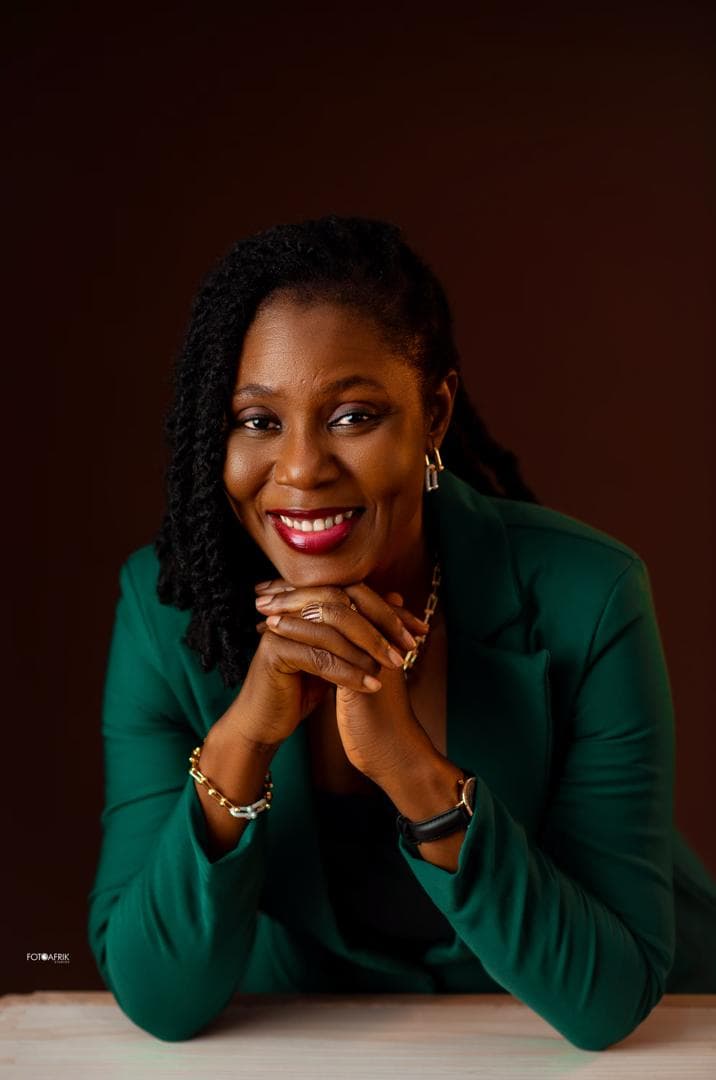
SEYI OLUYEDE
General Manager
Maritime Shipping & Ocean International Resources Ltd. (MSOIR)
Nigeria generates substantial demand for maritime and shipping services, yet indigenous participation in international shipping remains a major industry concern. Developing a stronger Nigerian fleet requires more than acquiring vessels. It requires competent operators, access to finance, reliable cargo, effective ship management and the capacity to maintain and eventually build vessels locally.
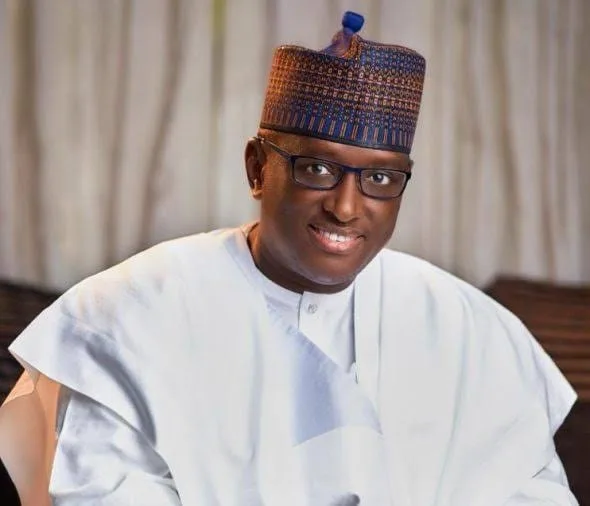
Alhaji Aminu Umar
President, Managing Director, Board Member.
Nigerian Chamber of Shipping, International Chamber of Shipping, Sea Transport Services Nigeria Limited
Nigeria has one of Africa’s largest maritime markets, a significant cargo base and an economy that depends heavily on shipping. Yet the ability to own, finance, operate and manage the vessels that serve this market remains a major challenge for indigenous operators.
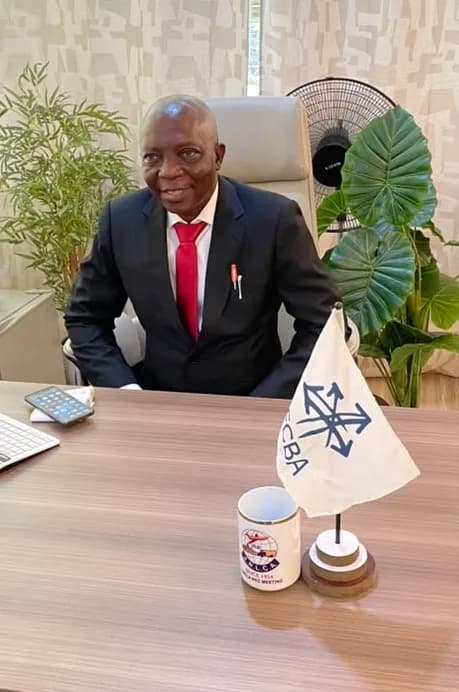
Abdullazeez Babatunde Mukaila
Managing Director/CEO
Mickey Excellency Nig. Ltd
Nigeria’s port and cargo clearance environment is at an important point of transition.
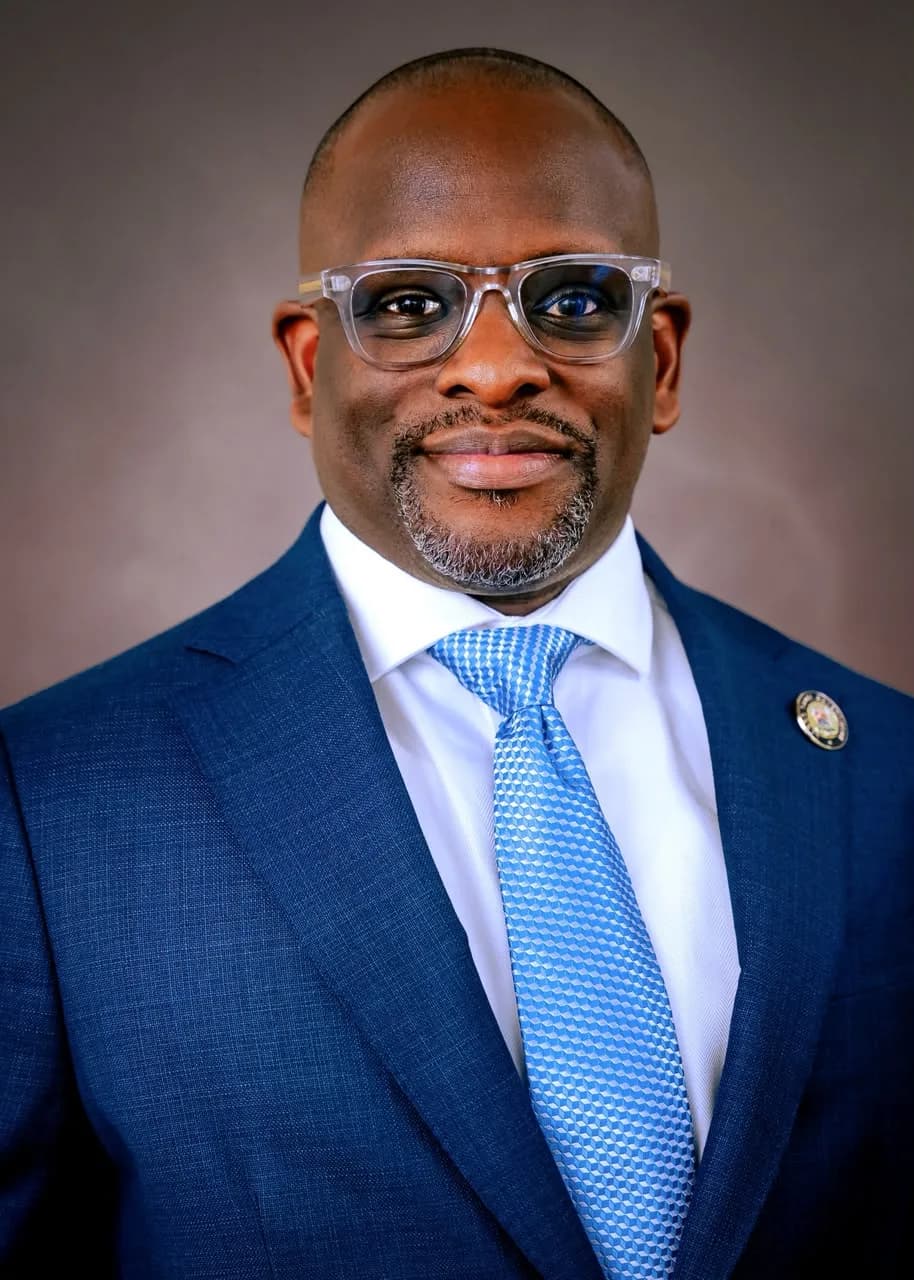
Oluwadamilola Emmanuel
General Manager & Special Adviser to the Lagos State Governor on Blue Economy
Lagos State Waterways Authority (LASWA)
With the Blue Economy becoming a more defined part of Lagos State development agenda, the opportunity extends beyond water transportation to maritime infrastructure, investment, tourism, fisheries, technology, skills, environmental sustainability and the creation of new economic value around the state extensive aquatic resources.

Jama Onwubuariri
Managing Director
TTP Ltd
Africa’s trade ambitions increasingly depend not only on physical ports, roads and border infrastructure, but on the digital systems that connect cargo, vehicles, terminals, regulators and trade corridors.
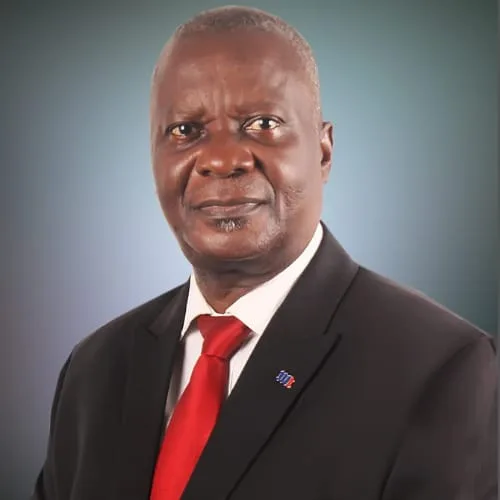
Dr. Obiora Madu
Chairman, Multimix Group
Trade, Logistics & Supply Chain Expert
Trade corridors remain fragmented. Logistics costs remain high. Supply chains are vulnerable to disruption. Digital systems do not always communicate with one another, while the skills required to manage increasingly complex supply chains remain uneven.
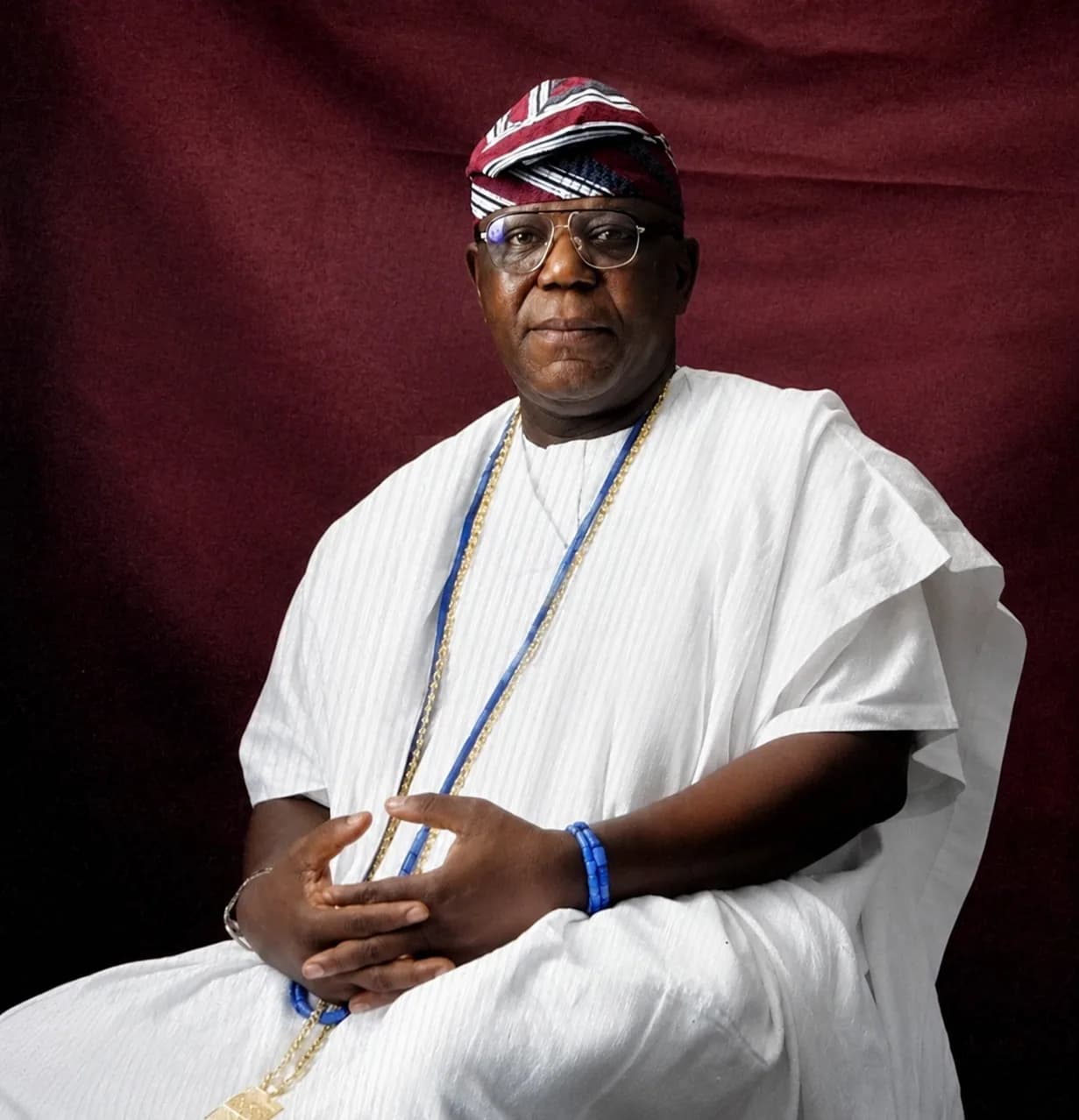
Prince Olusegun Oduntan
Managing Director & CEO, Settle Systems Nigeria Limited
National Vice President, Association of Nigerian Licensed Customs Agents (ANLCA)
In this Executive Conversation, Prince Olusegun Oduntan, National Vice President of ANLCA, examines the challenges affecting Nigeria’s trade and freight-forwarding ecosystem, from policy unpredictability and port delays to fragmented clearance processes. He emphasises that transparency, coordination and predictability are essential if Nigeria is to reduce trade costs and compete effectively under AfCFTA. “You cannot determine anything when the process is not predictable.”
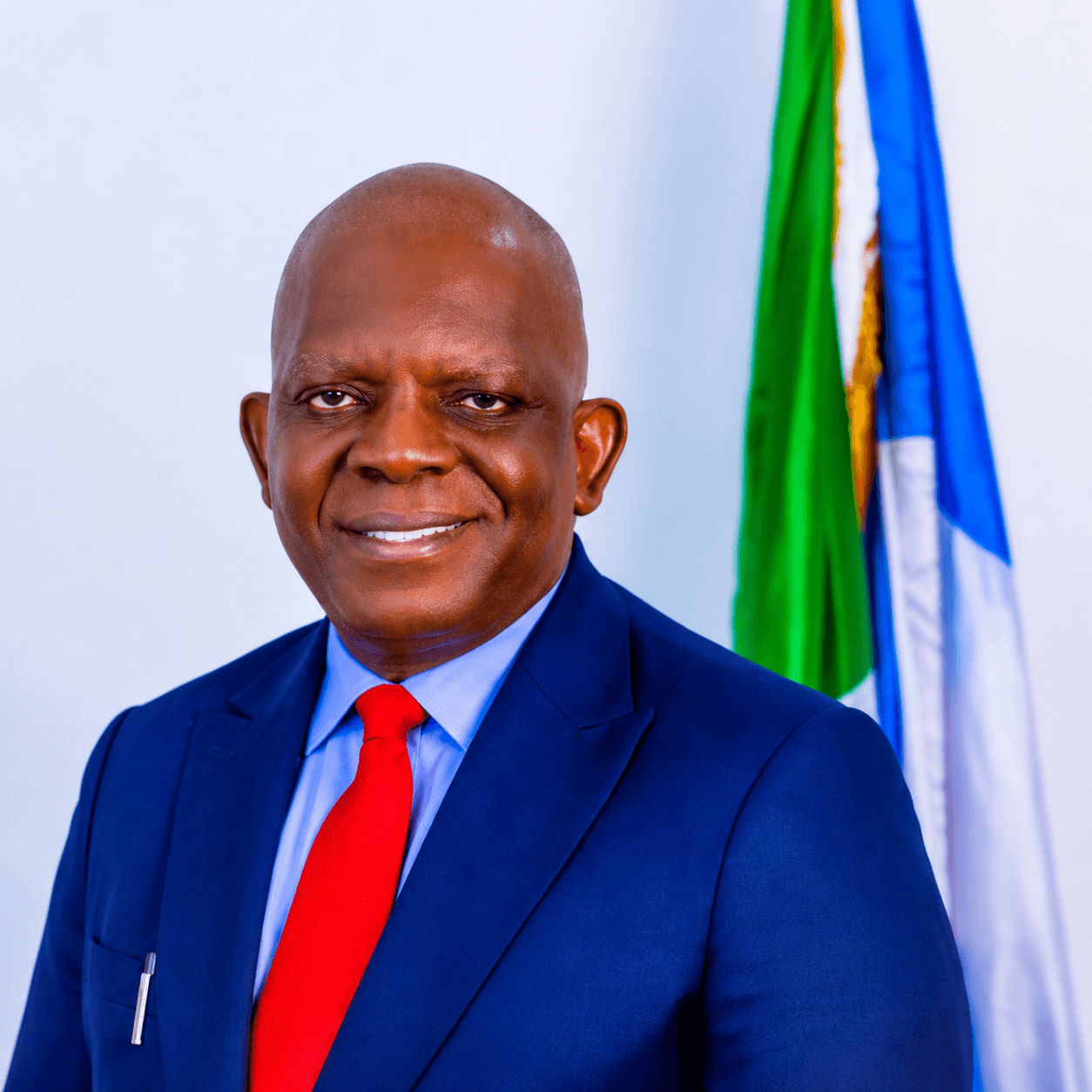
Dr. Pius Akutah, MON
Executive Secretary & CEO
Nigerian Shippers' Council
Africa’s maritime future is increasingly tied to the efficiency of its ports, logistics systems, and trade corridors. As Nigeria deepens its focus on the Marine and Blue Economy, the Nigerian Shippers' Council (NSC) is undergoing a major institutional transformation—from a traditional shipper protection agency into a broader economic regulator for the port and logistics sector.
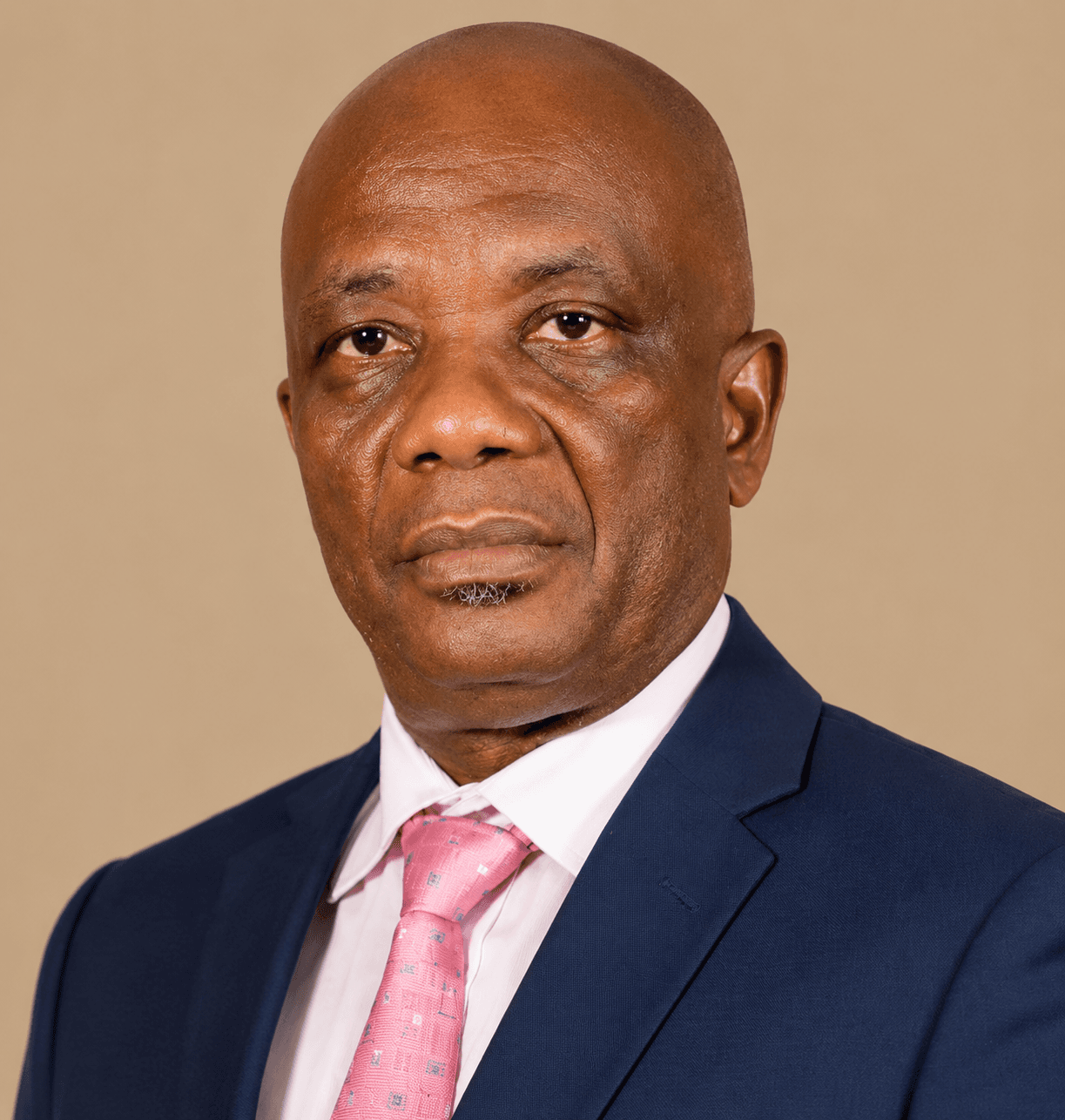
Capt. Sunday M. Umoren
Secretary-General, Abuja Memorandum of Understanding (Abuja MoU) on Port State Control for West and Central Africa
Port State Control for West and Central Africa
The eradication of substandard ships remains the primary mandate of the Abuja MoU regime. Every activity we undertake—capacity building, inspector training, technical cooperation, and harmonisation of inspection procedures—is directed toward this objective.
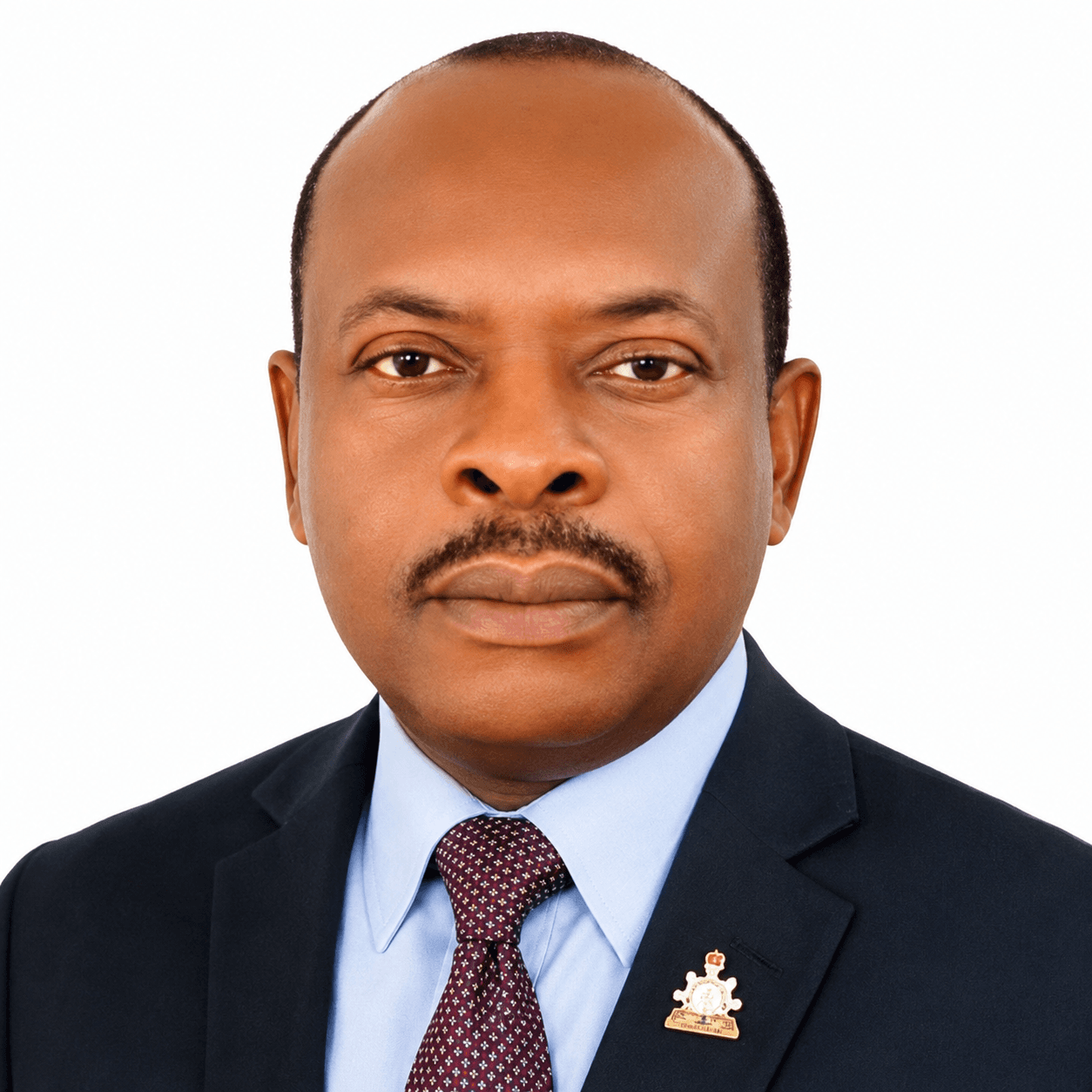
Dr. Kevin Okonna
Acting Rector, Maritime Academy of Nigeria (MAN)
Maritime Academy of Nigeria (MAN), Oron
One of our key achievements has been strengthening academic and operational stability while improving training delivery systems. We have recruited 11 maritime professional lecturers, including three Master Mariners and two marine engineers. One of them is an internationally recognised simulator training expert.
Stay Ahead of Africa's Maritime Story
Strategic intelligence, policy analysis, and industry perspectives — direct to your inbox, free.