

Jama Onwubuariri
Managing Director
TTP Ltd
“From Ètò to Intelligent Mobility: Building Digital Infrastructure for African Trade”
Africa’s trade ambitions increasingly depend not only on physical ports, roads and border infrastructure, but on the digital systems that connect cargo, vehicles, terminals, regulators and trade corridors.
Africa’s trade ambitions increasingly depend not only on physical ports, roads and border infrastructure, but on the digital systems that connect cargo, vehicles, terminals, regulators and trade corridors.
As Nigeria seeks to strengthen its position as a gateway to African commerce under the African Continental Free Trade Area (AfCFTA), the next frontier is moving beyond isolated logistics processes towards connected, predictable and data-driven freight systems.
Truck Transit Parks Limited (TTP), operator of the Ètò electronic truck call-up system, began by addressing the disorder surrounding truck movement into and out of Nigeria’s major ports.
Its ambitions have since expanded towards what the company describes as intelligent mobility infrastructure, bringing together technology, data, connectivity and physical infrastructure to improve the movement of people, vehicles and cargo.
In this PrimeAxis Executive Conversation, Jama Onwubuariri,
Managing Director of Truck Transit Parks Limited, discusses the evolution of
Ètò, the limits of technology without wider systemic reform, the emerging
digital freight ecosystem, the gaps along Nigeria’s port-to-destination
corridors, the potential for connected logistics systems across West Africa,
and what Nigeria must do to become a more predictable and competitive gateway for
African trade.
“The long-term opportunity is an intelligent freight ecosystem where the movement of a truck and its cargo can be planned, verified, monitored and optimised across the entire journey, not just at the port gate.” - Jama Onwubuariri, MD & CEO TTP
TRANSCRIPT REF: EC-2026-007 · RECORDED: 4 September 2026 · STATUS: ON RECORD
TTP began with a specific challenge around truck movement and port access in Nigeria, but the company’s ambitions today appear much broader. What problem did you originally set out to solve with TTP and Ètò, and at what point did you begin to see the opportunity to build something much larger, a digital infrastructure layer for freight and logistics?
TTP was created to solve a very specific problem: the disorder around truck movement in and out of the Apapa and Tin Can Ports, with expansion into other ports across Nigeria. Before Ètò, truck access was largely driven by physical queues, multiple layers of human intervention, and limited visibility, creating congestion, delays, inefficiencies, and opportunities for abuse.
Ètò introduced a digital mechanism for scheduling and controlling truck movement, but we quickly realised that the underlying problem was bigger than truck access. A truck does not operate in isolation; it is part of a chain connecting cargo owners, terminals, ports, transporters, regulators, roads and ultimately the final destination.
That is what led to our broader vision. We began to see the
opportunity to build the digital infrastructure that connects these moving
parts. Today, our focus is intelligent mobility infrastructure using
technology, data and physical infrastructure to make the movement of people,
vehicles and cargo more predictable and efficient.
Ètò has significantly changed the way truck access to Nigeria’s major ports is scheduled and managed, with millions of truck movements processed through the system. At the same time, congestion, ticket manipulation and other operational challenges continue to generate debate among stakeholders. From TTP’s perspective, what has Ètò genuinely solved, what challenges remain, and what have the past few years taught you about the limits of technology when the wider logistics ecosystem is not working efficiently?
Ètò has fundamentally changed the way truck access is scheduled and managed. We have processed millions of truck movements through the platform, while helping reduce truck turnaround times from weeks to days and significantly improving visibility and predictability around port access.
But technology cannot solve every problem in a logistics ecosystem. Ètò can provide a controlled digital process; it cannot, on its own, eliminate poor road conditions, terminal delays, human interference, non-compliance, or inefficiencies elsewhere in the supply chain.
Some of the challenges we continue to see, including operational challenges, are reminders that digitisation must go beyond putting an existing process online. It must remove unnecessary human intervention, strengthen identity and access controls, create traceability and connect systems across stakeholders.
Our biggest lesson is that technology is an enabler, not a
substitute for systemic reform. Sustainable efficiency requires technology,
infrastructure, regulation, enforcement, and stakeholder collaboration to move
together.
TTP is now moving beyond basic truck call-up into areas such as electronic barriers, vehicle identification, traffic management, SaaS solutions, National Single Window integration and other digital tools. Are we witnessing the evolution of Ètò from a truck scheduling platform into a broader digital freight management ecosystem, and what could that ecosystem ultimately look like?
Yes. Ètò was the starting point, not the destination.
We are progressively building capabilities around electronic tagging (Etag), electronic access control, traffic management, smart parking, SaaS solutions, terminal visibility and integration with other digital systems across the logistics chain.
The long-term opportunity is an intelligent freight ecosystem where the movement of a truck and its cargo can be planned, verified, monitored, and optimised across the entire journey, not just at the port gate.
Imagine a system where a vehicle’s digital identity via E-tag/RFID, booking, cargo documentation, terminal appointment, route, access permissions and arrival are digitally connected. That creates a single flow of information across stakeholders and enables better decisions using real-time data.
That is the direction we are pursuing: moving from truck
scheduling to intelligent mobility infrastructure that supports the broader
freight economy.
A port can become more efficient internally and still lose competitiveness if cargo cannot move efficiently beyond the terminal gates. Where do you believe the biggest remaining inefficiencies lie along Nigeria’s port-to-destination corridors, and how should government, ports, terminals, transport operators, cargo owners and technology providers work differently to create a genuinely seamless freight chain?
One of Nigeria’s biggest logistics challenges is that we
often optimise individual parts of the chain rather than the journey as a
whole.
A terminal can improve its internal processes, but if trucks spend hours waiting outside, encounter poorly coordinated corridors or face delays at their next point of call, the overall supply chain remains inefficient.
We need to think in terms of end-to-end cargo journeys. Government should provide the policy, infrastructure and regulatory environment; ports and terminals should optimise cargo handling and appointments; transport operators should embrace standards and technology; cargo owners should improve planning; and technology providers should connect the data and processes that sit between these stakeholders.
The goal should not simply be a more efficient port. It
should be a predictable freight corridor from origin to destination.
Nigeria is one of Africa’s most important trade gateways, while AfCFTA is creating new possibilities for intra-African commerce. TTP has also spoken about taking its technology and logistics model beyond Nigeria. Could systems such as Ètò become part of the digital infrastructure supporting cross-border freight across West Africa, and what would need to change for countries, ports, customs authorities and logistics operators to build connected systems that can work together rather than operate largely as separate national platforms?
Absolutely. Nigeria has the scale, market and strategic position to play a major role in building Africa’s digital logistics infrastructure.
But cross-border logistics cannot work efficiently if every country operates completely independent digital systems that cannot communicate with one another. The future requires connected systems between ports, customs systems, border agencies, transport platforms, cargo owners and logistics operators.
Ètò provides an example of how technology can bring structure, visibility and accountability to a complex freight environment. The next opportunity is to apply those principles across borders.
For West Africa in particular, we should be thinking about common digital standards for vehicle and cargo identification, electronic documentation, data exchange, payments and corridor management.
AfCFTA will create opportunities for more intra-African
trade, but trade agreements alone do not move cargo. We also need the digital
and physical infrastructure that allows goods to move across borders
predictably and efficiently.
Truck congestion is not only a transport problem; it affects fuel consumption, cargo costs, emissions, productivity and ultimately the competitiveness of African trade. How much economic and environmental value could Nigeria and the wider region unlock by reducing truck waiting time, unnecessary journeys and inefficient corridor operations and where do you see the biggest opportunities for technology to translate logistics efficiency into lower trade costs?
The economic cost of inefficiency is enormous. Every hour a truck spends waiting results in fuel consumption, lost driver time, underutilised vehicle capacity, and additional costs passed through the supply chain.
The environmental impact follows the same pattern. Reducing unnecessary idling, empty trips, and repeated journeys reduces fuel consumption and emissions.
This is where technology can make a measurable difference. Better scheduling reduces waiting.
Vehicle and cargo visibility improves planning.
Digital access control reduces unnecessary movements and human intervention. Traffic management systems can optimise the use of available road and terminal capacity.
We should therefore stop looking at logistics technology
simply as an administrative tool. It is an economic and environmental
efficiency tool.
If we can make freight movement more predictable, we can
lower logistics costs, improve asset utilisation, reduce emissions and make
Nigerian trade more competitive.
Looking ahead, if you were given the opportunity to redesign the movement of cargo across Nigeria and eventually across African trade corridors, what would that system look like by 2035? What role would technology, data, truck transit parks, ports, customs, border agencies and private operators play, and what must Nigeria begin doing now if it wants to become a truly competitive logistics gateway for Africa?
By 2035, I would like to see a freight system in which cargo movement is largely planned, connected, visible, and data-driven.
A truck should not arrive at a port, border or transit facility simply to join a queue and wait. Its journey should be planned digitally, with its identity, cargo, documentation, appointments and access permissions validated before it arrives.
Ports, customs, border agencies, transport operators, cargo owners and logistics infrastructure should operate as connected components of one freight ecosystem, rather than isolated systems.
Truck transit parks will also play an important role as
intelligent staging and consolidation points, helping manage demand before
vehicles reach constrained areas.
For Nigeria to get there, we need to start now by investing in connected digital infrastructure, reliable physical infrastructure, common data standards, and stronger public-private partnerships.
Our ambition should be bigger than making Nigerian ports
more efficient. We should be building Nigeria into a predictable, technology-enabled gateway for African trade.
You have described TTP’s evolution as a move from digitising a specific process to building intelligent mobility infrastructure. What does that shift mean in practical terms, and how can technology, data, connectivity and physical infrastructure help governments and businesses anticipate and manage mobility challenges rather than simply react to congestion?
One area I believe deserves greater attention is the distinction between digitising a process and actually transforming mobility.
At TTP, we are deliberately moving beyond the idea that our business is simply a truck call-up platform. Our focus is now intelligent mobility infrastructure, combining software, data, connectivity and physical infrastructure to solve mobility challenges at scale.
That includes electronic access control, vehicle identification, traffic management, smart parking, and digital platforms that can connect different participants in the logistics ecosystem.
The bigger opportunity is to create infrastructure that allows governments and businesses to understand how vehicles and cargo move, anticipate pressure points, and make better decisions before congestion becomes a crisis.
That is where we believe the next phase of Nigeria’s
logistics transformation lies.
The scale of Nigeria’s logistics and mobility challenges requires both public-sector leadership and private-sector capability. What should an effective public-private partnership look like in the next phase of Nigeria’s transport and logistics development, and how can such partnerships extend beyond ports into transit hubs, freight corridors, and borders?
Another issue that deserves more attention is the role of
the private sector in solving infrastructure and logistics challenges.
The scale of Nigeria’s mobility and logistics challenges means government cannot and should not be expected to do everything alone.
At the same time, private sector technology cannot deliver sustainable transformation without the right regulatory framework and institutional collaboration.
Our experience has shown that the strongest outcomes are achieved when government provides clear policy and oversight, while private operators bring technology, capital, operational expertise and speed of execution.
We believe this model can extend beyond ports into transit hubs, freight corridors, borders and other critical mobility infrastructure.
If we get that partnership right, Nigeria can move from
reacting to congestion to intelligently planning and managing mobility at
scale.
“Our ambition should be bigger than making Nigerian ports more efficient. We should be building Nigeria into a predictable, technology-enabled gateway for African trade.” - Jama Onwubuariri MD & CEO TTP
Nigeria’s maritime and logistics competitiveness will increasingly depend on how effectively physical infrastructure is connected by digital systems, data and intelligent mobility solutions.
The challenge extends beyond the efficiency of individual ports. Cargo must be able to move predictably from origin to destination, across roads, terminals, transit facilities and borders.
As Nigeria seeks to deepen its participation in African trade, the development of connected freight infrastructure will be critical. Technology can provide visibility, coordination and accountability, but sustainable transformation will also require investment in physical infrastructure, regulatory reform, common standards and effective public-private partnerships.
The broader question is therefore not simply how Nigeria
manages congestion, but how it builds a freight system capable of supporting
the scale and complexity of future African trade.
About Executive Conversations
Executive Conversations is PrimeAxis's flagship interview series, engaging the leaders, regulators, and institution builders shaping Africa's maritime and blue economy future.
Editorial Note: This interview has been edited for clarity, length, and flow while preserving the substance of the conversation.
More Conversations

SEYI OLUYEDE
General Manager
Maritime Shipping & Ocean International Resources Ltd. (MSOIR)
Nigeria generates substantial demand for maritime and shipping services, yet indigenous participation in international shipping remains a major industry concern. Developing a stronger Nigerian fleet requires more than acquiring vessels. It requires competent operators, access to finance, reliable cargo, effective ship management and the capacity to maintain and eventually build vessels locally.

Alhaji Aminu Umar
President, Managing Director, Board Member.
Nigerian Chamber of Shipping, International Chamber of Shipping, Sea Transport Services Nigeria Limited
Nigeria has one of Africa’s largest maritime markets, a significant cargo base and an economy that depends heavily on shipping. Yet the ability to own, finance, operate and manage the vessels that serve this market remains a major challenge for indigenous operators.

Abdullazeez Babatunde Mukaila
Managing Director/CEO
Mickey Excellency Nig. Ltd
Nigeria’s port and cargo clearance environment is at an important point of transition.
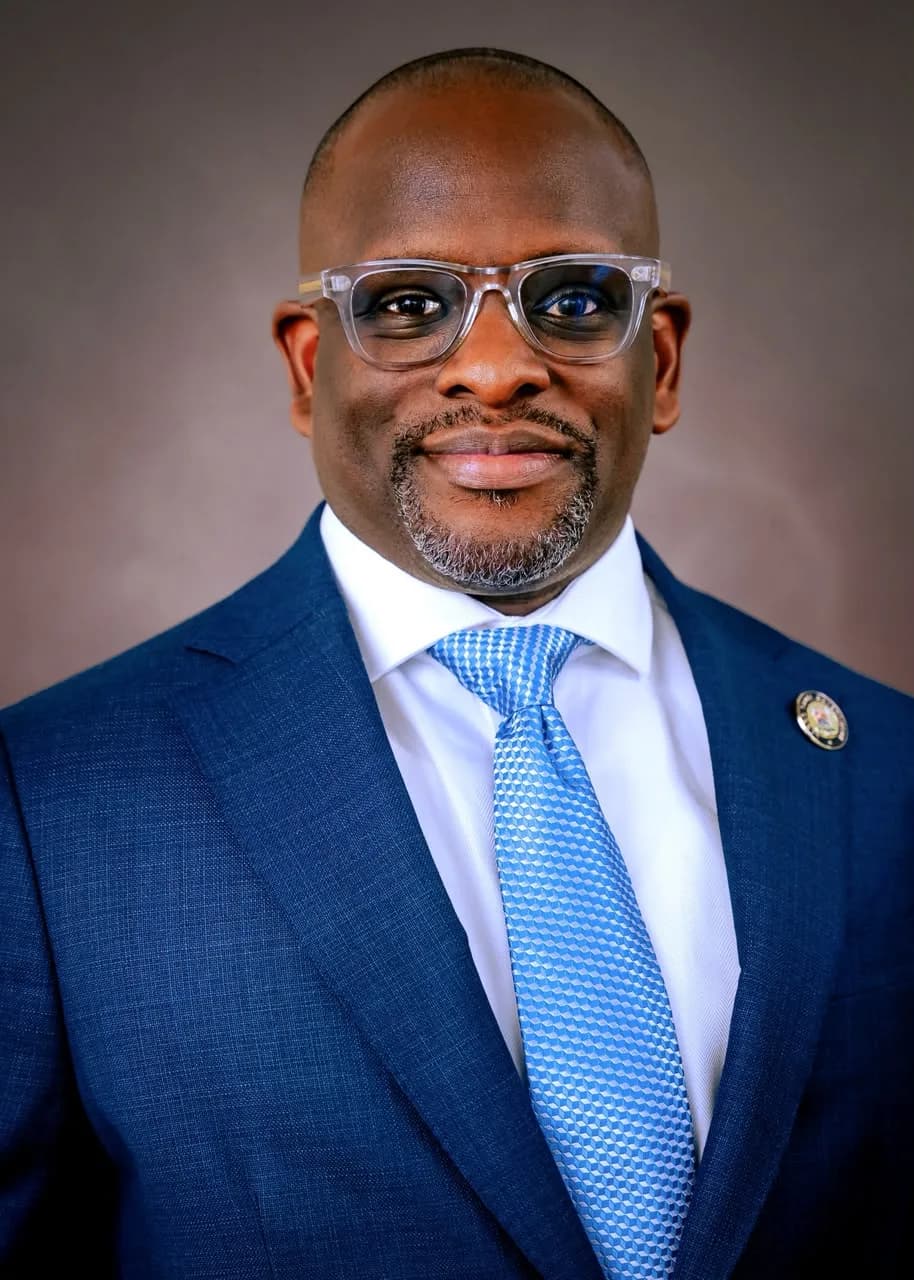
Oluwadamilola Emmanuel
General Manager & Special Adviser to the Lagos State Governor on Blue Economy
Lagos State Waterways Authority (LASWA)
With the Blue Economy becoming a more defined part of Lagos State development agenda, the opportunity extends beyond water transportation to maritime infrastructure, investment, tourism, fisheries, technology, skills, environmental sustainability and the creation of new economic value around the state extensive aquatic resources.

Abdulkadir Ahmed
Managing Director/Chief Executive Officer
NLNG Shipping and Marine Services Limited (NSML)
As the global shipping industry becomes increasingly shaped by stringent safety requirements, technological change, environmental standards and increasingly sophisticated marine operations, the quality of Nigeria’s maritime workforce will determine how effectively the country can participate in and compete within the global maritime economy.
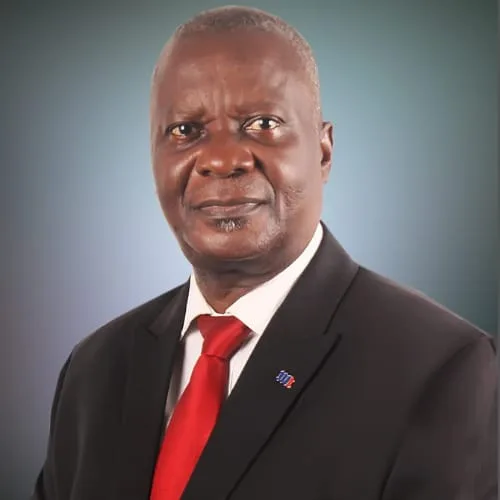
Dr. Obiora Madu
Chairman, Multimix Group
Trade, Logistics & Supply Chain Expert
Trade corridors remain fragmented. Logistics costs remain high. Supply chains are vulnerable to disruption. Digital systems do not always communicate with one another, while the skills required to manage increasingly complex supply chains remain uneven.

Prince Olusegun Oduntan
Managing Director & CEO, Settle Systems Nigeria Limited
National Vice President, Association of Nigerian Licensed Customs Agents (ANLCA)
In this Executive Conversation, Prince Olusegun Oduntan, National Vice President of ANLCA, examines the challenges affecting Nigeria’s trade and freight-forwarding ecosystem, from policy unpredictability and port delays to fragmented clearance processes. He emphasises that transparency, coordination and predictability are essential if Nigeria is to reduce trade costs and compete effectively under AfCFTA. “You cannot determine anything when the process is not predictable.”
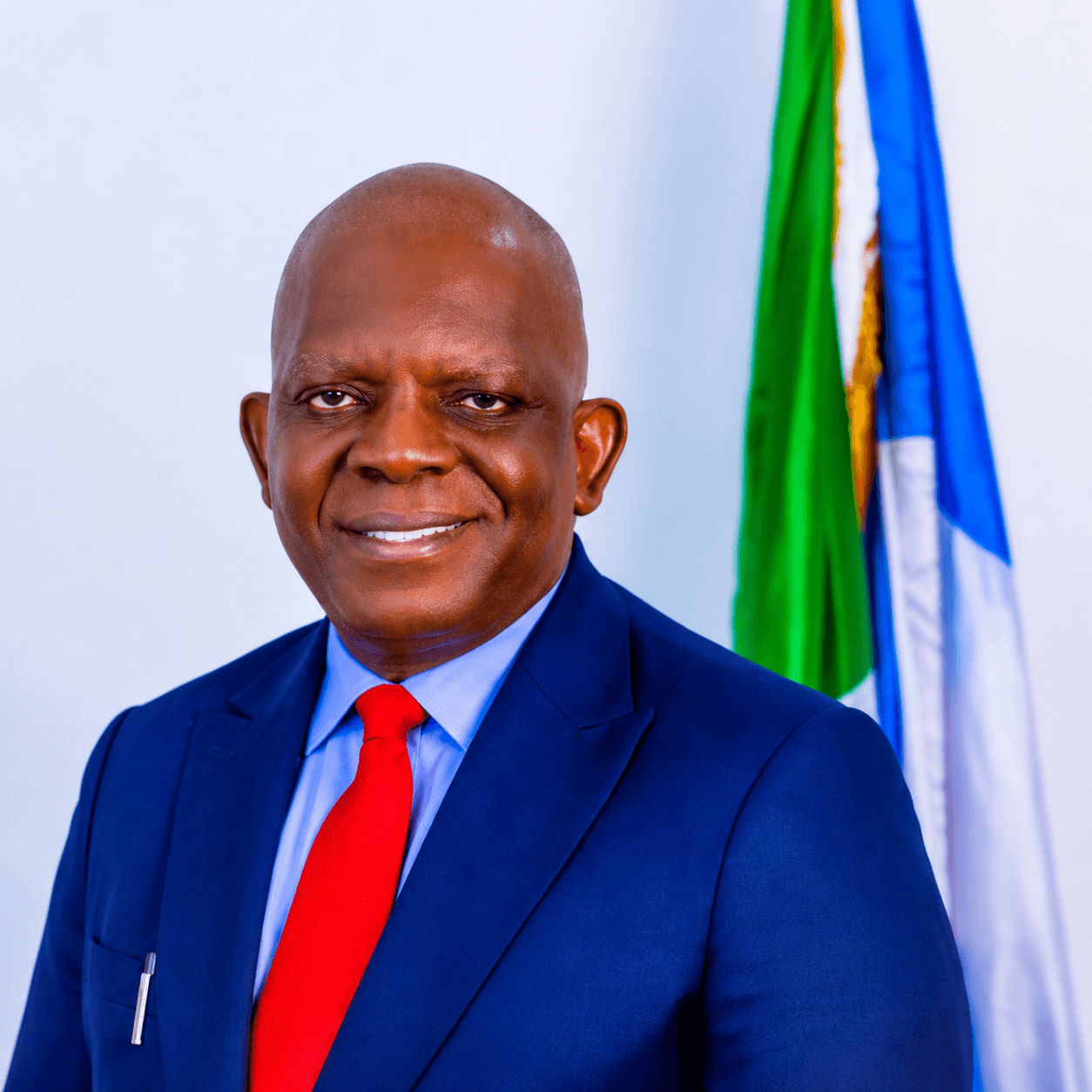
Dr. Pius Akutah, MON
Executive Secretary & CEO
Nigerian Shippers' Council
Africa’s maritime future is increasingly tied to the efficiency of its ports, logistics systems, and trade corridors. As Nigeria deepens its focus on the Marine and Blue Economy, the Nigerian Shippers' Council (NSC) is undergoing a major institutional transformation—from a traditional shipper protection agency into a broader economic regulator for the port and logistics sector.
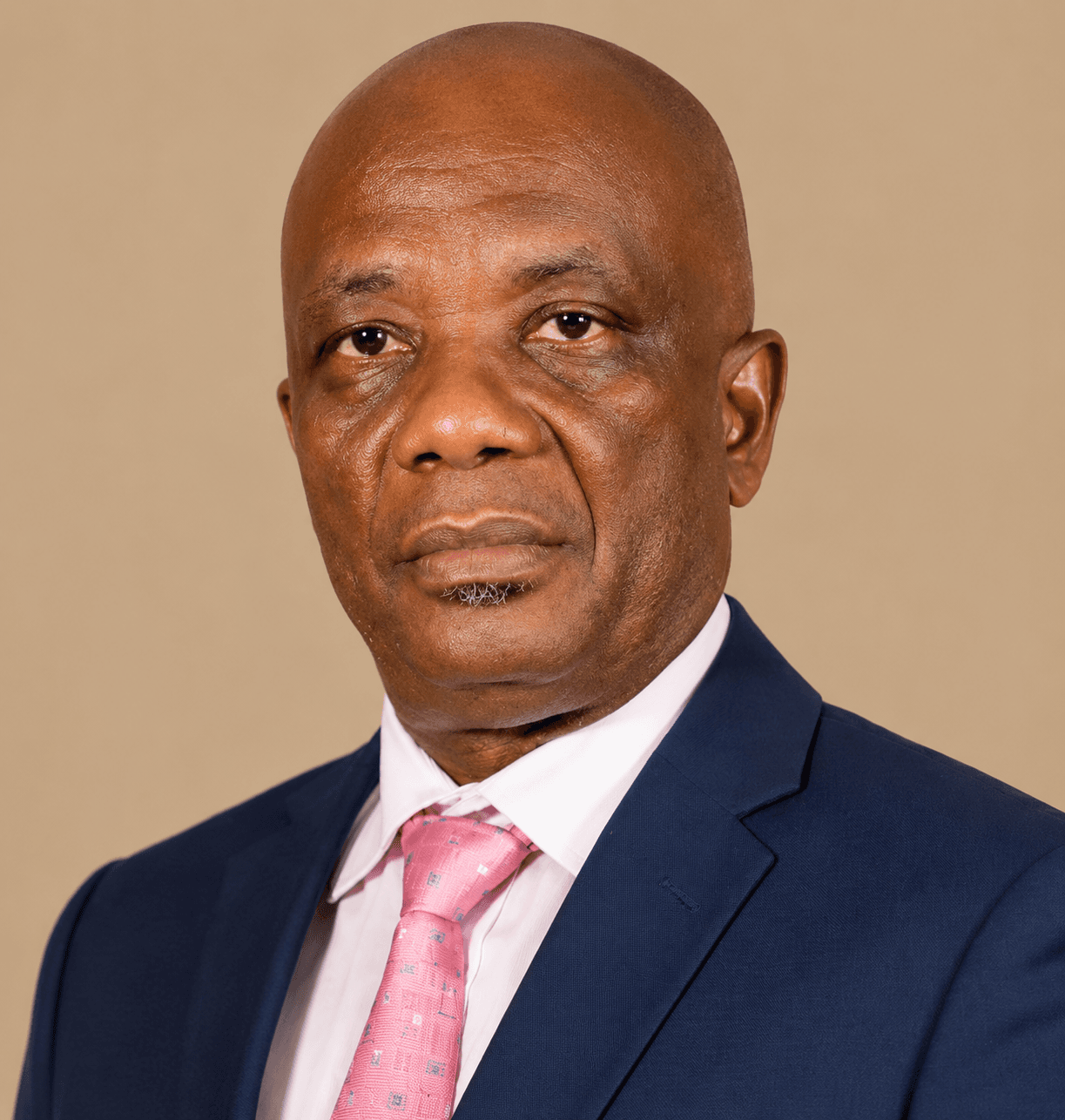
Capt. Sunday M. Umoren
Secretary-General, Abuja Memorandum of Understanding (Abuja MoU) on Port State Control for West and Central Africa
Port State Control for West and Central Africa
The eradication of substandard ships remains the primary mandate of the Abuja MoU regime. Every activity we undertake—capacity building, inspector training, technical cooperation, and harmonisation of inspection procedures—is directed toward this objective.

Dr. Kevin Okonna
Acting Rector, Maritime Academy of Nigeria (MAN)
Maritime Academy of Nigeria (MAN), Oron
One of our key achievements has been strengthening academic and operational stability while improving training delivery systems. We have recruited 11 maritime professional lecturers, including three Master Mariners and two marine engineers. One of them is an internationally recognised simulator training expert.
Stay Ahead of Africa's Maritime Story
Strategic intelligence, policy analysis, and industry perspectives — direct to your inbox, free.